

You’re staring at damage. Maybe it’s your roof after a brutal North Texas hailstorm. Maybe it’s water creeping through drywall. The insurance claim process kicks in—and suddenly, you’re asking the big question: are public adjusters good or bad?
I’ve seen this question come up again and again. And the truth? It’s not black and white. Public adjusters can be incredibly valuable—or completely unnecessary—depending on your situation.
Let’s break it down clearly, practically, and without fluff.
What Is a Public Adjuster (And Why Should You Care)?
A public adjuster is a licensed professional who represents you, not the insurance company.
That distinction matters. A lot.
Here’s how the roles differ:
- Insurance adjuster → Works for the insurance company
- Independent adjuster → Contracted by insurance companies
- Public adjuster → Works for the policyholder (you)
Their job is simple in theory but complex in execution:
They evaluate your damage, interpret your policy, document everything, and negotiate for a higher settlement.
And yes—they typically get paid a percentage of your claim.
The Good: Why Public Adjusters Can Be a Game-Changer
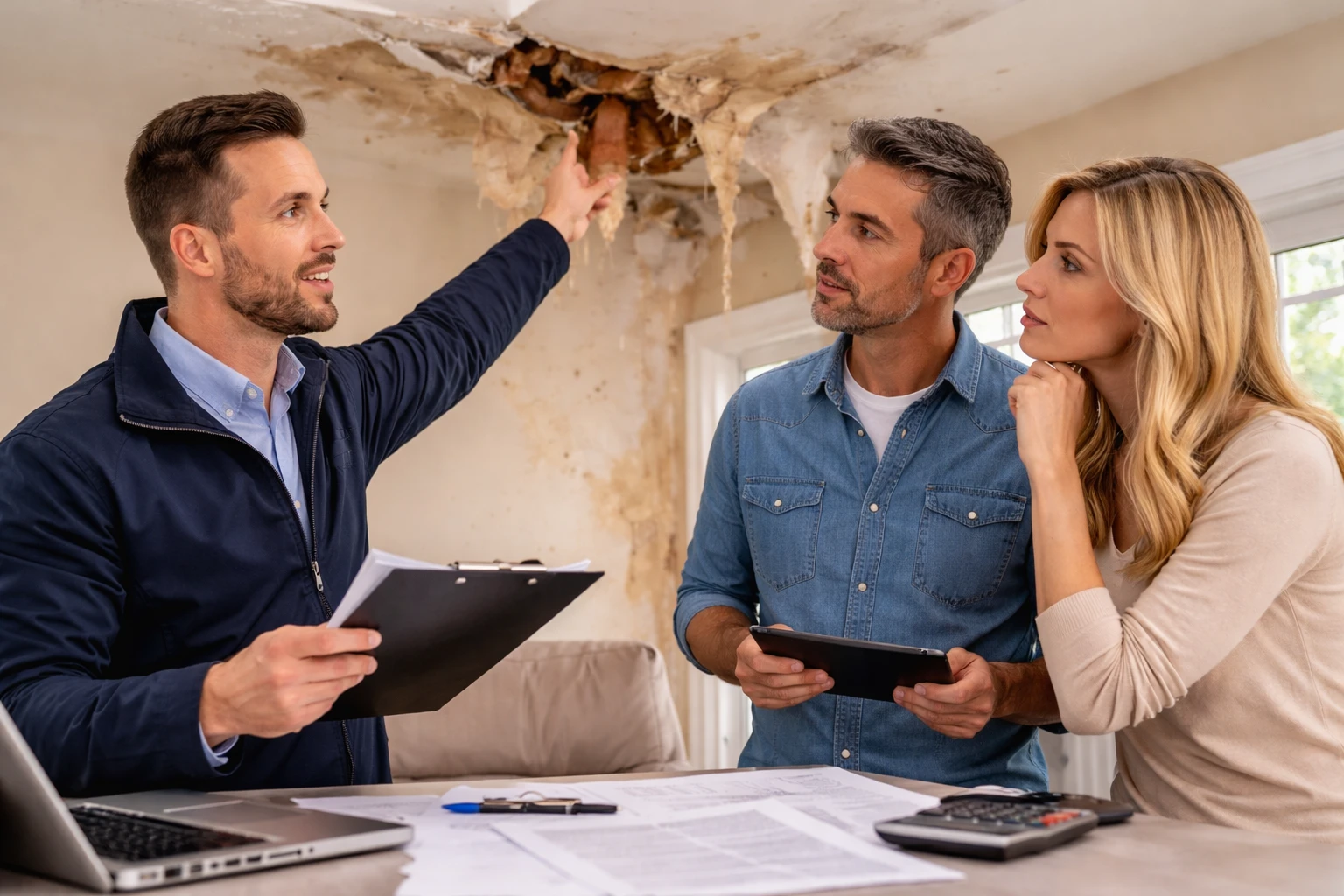
Let’s start with the upside. Because when they’re good, they’re really good.
1. They Can Increase Your Claim Payout
This is the biggest reason people hire them.
Insurance policies are dense. Technical. Easy to misunderstand. A skilled public adjuster knows exactly what to look for—and more importantly, what insurers might overlook.
They often:
- Identify hidden damage
- Include overlooked line items
- Use detailed documentation to justify higher costs
That can mean thousands—or tens of thousands—more in your settlement.
And that’s not exaggeration.
2. They Take the Pressure Off Your Shoulders
Filing a claim isn’t just paperwork. It’s follow-ups, inspections, calls, emails, documentation, deadlines.
It’s a job.
When I talk to homeowners, this is what they tell me:
“I didn’t realize how much time it would take.”
A public adjuster steps in and handles:
- Communication with the insurer
- Scheduling inspections
- Preparing documentation
- Negotiating the final amount
You get your time—and sanity—back.
3. They Bring Serious Expertise to Complex Claims
Some claims are straightforward. Many aren’t.
Think about:
- Fire damage with smoke infiltration
- Water damage spreading behind walls
- Roof damage from multiple storm events
- Commercial property losses
These are not simple claims. They require deep understanding.
Public adjusters specialize in this.
And in a place like Frisco—where hailstorms can hit hard and fast—that expertise matters.
4. They Level the Playing Field
Let’s be honest.
Insurance companies have experts. Entire teams. Systems built to evaluate and control claim payouts.
Without representation, you’re navigating that alone.
Hiring a public adjuster doesn’t make the process adversarial—it makes it balanced.
The Bad: When Public Adjusters Might Not Be Worth It
Now let’s flip the coin. Because asking are public adjusters good or bad means looking at both sides.
1. They Take a Percentage of Your Claim
Most public adjusters charge between 10% and 20%.
That means:
- $50,000 claim → $5,000 to $10,000 fee
- $100,000 claim → $10,000 to $20,000 fee
That’s real money.
If your claim is small or already fairly settled, that fee might not make sense.
2. Not Every Claim Needs One
Some claims are simple. Clean. Easy to process.
For example:
- Minor roof repair
- Small water leak
- Straightforward coverage
If the insurance company is responsive and fair, you might not need help.
Hiring a public adjuster in these cases could be overkill.
3. Not All Adjusters Are Created Equal
This is where things get risky.
There are excellent professionals—and then there are… not-so-great ones.
Watch out for:
- High-pressure sales tactics
- Guarantees of “huge payouts”
- Lack of proper licensing
- Vague or confusing contracts
A bad public adjuster can make things worse, not better.
4. The Process Can Take Longer
More negotiation can mean more time.
Sometimes that’s worth it. Sometimes it’s frustrating.
If you need a quick resolution, adding another layer to the process may slow things down.
Quick Breakdown: Pros vs Cons
Here’s a clear snapshot:
| Pros | Cons |
| Higher potential settlement | 10%–20% fee |
| Less stress and workload | Not needed for small claims |
| Expert documentation | Risk of poor-quality adjusters |
| Stronger negotiation | Possible delays |
So… Are Public Adjusters Good or Bad?
Here’s the honest answer:
They’re neither inherently good nor bad.
They’re a tool.
And like any tool, their value depends on how—and when—you use them.
When Hiring a Public Adjuster Is a Smart Move
Let’s get practical. These are the situations where hiring one usually makes sense:
- Large claims ($20K+)
- Denied or underpaid claims
- Complex damage (fire, storm, structural)
- You don’t have time to manage the process
- You’re unsure about your policy coverage
In these cases, a public adjuster often pays for themselves—and then some.
When You Might Not Need One
On the flip side:
- Small claims
- Clear, straightforward damage
- Fast and fair insurance response
- You’re comfortable handling negotiations
In these scenarios, you may be better off handling the claim yourself.
Frisco, TX: Why This Decision Matters More Here
Frisco isn’t immune to property damage. Far from it.
Common issues include:
- Hailstorms damaging roofs and siding
- Wind-driven rain causing leaks
- Sudden weather shifts impacting structures
These aren’t minor events. They often lead to complex claims.
And in Texas, insurance policies can be detailed and nuanced.
That’s why local experience matters. A public adjuster familiar with Frisco understands:
- Regional damage patterns
- Local construction costs
- Insurance trends in Texas
That context can make a real difference.
How to Choose the Right Public Adjuster (This Part Is Critical)
If you decide to hire one, don’t rush it.
Here’s how to do it right:
Verify Licensing
In Texas, public adjusters must be licensed.
Always confirm through the appropriate state channels.
Ask Direct Questions
Don’t hold back. Ask things like:
- How many claims like mine have you handled?
- What’s your exact fee?
- What’s your expected timeline?
Clarity matters.
Check Reviews and Local Reputation
Look for:
- Consistent positive feedback
- Experience in Frisco or nearby areas
- Real client testimonials
Read the Contract Carefully
Pay attention to:
- Fee structure
- Scope of work
- Exit clauses
No surprises. Ever.
Common Myths That Need to Go
Let’s clear a few things up.
Myth 1: Public adjusters always increase payouts
Not always. But they often improve outcomes in complex cases.
Myth 2: They slow everything down
Sometimes. But delays can lead to better results.
Myth 3: They’re only for massive claims
Not true. Mid-sized claims can benefit too.
Myth 4: Insurance companies “hate” them
It’s not about emotion. It’s about negotiation.
A Real-World Style Scenario (Frisco Example)
Let’s say a homeowner in Frisco files a hail damage claim.
- Initial insurance estimate: $18,000
- Visible roof damage acknowledged
- Interior damage partially ignored
The homeowner feels unsure. Something doesn’t add up.
They bring in a public adjuster.
The adjuster:
- Conducts a detailed inspection
- Documents hidden water damage
- Includes code upgrades and material costs
- Reopens negotiation
Final settlement: $42,000
Even after a 10% fee, the homeowner walks away significantly ahead.
This is where the value shows up.
Actionable Tips You Can Use Right Now
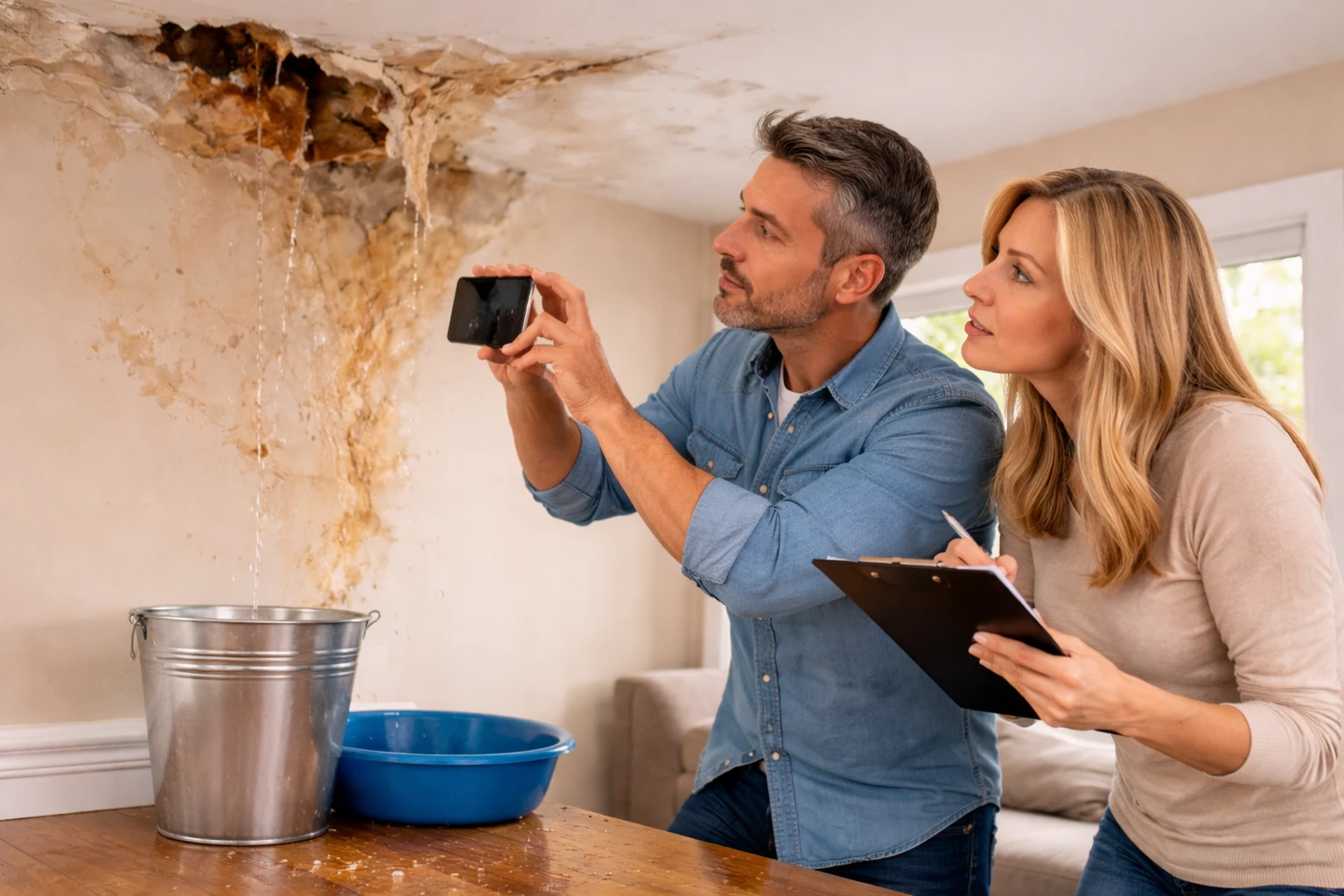
If you’re dealing with a claim, here’s what I’d do:
- Document everything immediately (photos, videos, timestamps)
- Don’t accept the first offer blindly
- Read your policy—yes, actually read it
- Get a second opinion if something feels off
- Consider a public adjuster before signing final agreements
Simple steps. Big impact.
Final Verdict: Are Public Adjusters Good or Bad?
Let’s bring it home.
Are public adjusters good or bad?
They’re powerful. That’s the real answer.
In the right situation, with the right professional, they can:
- Increase your payout
- Reduce your stress
- Protect your financial outcome
In the wrong situation—or with the wrong person—they can:
- Cost you unnecessarily
- Complicate the process
- Deliver little value
So the decision isn’t about “good or bad.”
It’s about fit.
If your claim is large, complex, or underpaid, a public adjuster can be one of the smartest moves you make. If it’s simple and straightforward, you might not need one at all.
And that’s the clarity most homeowners are actually looking for.
One More Thing (Worth Knowing)
Insurance claims can involve complex valuation methods and layered policy interpretations. If you ever feel lost in the details, you’re not alone—many of these processes touch on advanced concepts like loss assessment and structured estimation approaches, sometimes bordering on analytical frameworks similar to stochastic modeling.
You don’t need to master it all. You just need to know when to bring in someone who already has.
If you’re in Frisco and unsure about your claim, take a step back. Evaluate your situation carefully. And if needed, bring in the right help.
That decision alone can change everything.
FAQs
Public adjusters are neither inherently good nor bad—they can be extremely helpful in complex or underpaid claims but unnecessary for simple ones. Their value depends on your specific situation and the adjuster’s expertise.
Yes, in many cases they help uncover overlooked damages and negotiate higher settlements. However, results vary depending on the complexity of the claim and the adjuster’s skill.
Public adjusters in Texas typically charge between 10% and 20% of the final settlement. The fee is usually contingency-based, meaning they only get paid if you receive a payout.
You should consider hiring one for large, complex, denied, or underpaid claims. They’re especially helpful when you don’t have the time or expertise to handle negotiations yourself.
You may not need one for small or straightforward claims where the insurance company is responsive and fair. In these cases, the fee may outweigh the benefit.
Yes, a public adjuster can often review and reopen denied or underpaid claims with additional documentation and negotiation. Success depends on the specifics of your policy and damage.
Yes, public adjusters must be licensed by the Texas Department of Insurance. Always verify licensing before hiring to ensure you’re working with a qualified professional.
Insurance companies may not prefer them because they advocate for higher payouts, but working with one is completely legal and common. It simply adds another layer of negotiation.
Claims may take longer due to detailed documentation and negotiation, but this can lead to better outcomes. The timeline varies depending on the complexity of the case.
It can be worth it if the adjuster significantly increases your final payout beyond their fee. For smaller claims, however, the cost may not justify the benefit.