
Hailstorms move fast. One minute the sky is calm. The next? Ice is hammering shingles, denting gutters, shredding window screens, and leaving homeowners wondering what just happened to their roof. Then comes the insurance claim process. And this is where many homeowners unknowingly lose money.
Learning How to Document Hail Damage for an Insurance Claim is one of the most important steps you can take before hiring a contractor, roofer, or public adjuster. Strong documentation creates leverage. Weak documentation creates disputes. Insurance companies rely heavily on evidence. Not assumptions. Not emotions. Not guesses.
Photos matter. Timelines matter. Inspection reports matter. Even your notes matter. For homeowners in Frisco, where severe hailstorms can trigger widespread roofing claims in a matter of hours, proper documentation can mean the difference between a smooth claim and months of frustrating back-and-forth negotiations. This guide breaks everything down clearly. No fluff. No filler. Just actionable strategies that help homeowners build stronger hail damage claims from the very beginning.
Why Documentation Matters More Than Most Homeowners Realize
Many people think the insurance adjuster will simply inspect the roof and “take care of everything.” Sometimes that happens. Often, it does not. Insurance carriers evaluate claims based on evidence. The more organized and detailed your evidence is, the harder it becomes to overlook legitimate damage.
Poor documentation can create problems like:
- Partial claim approvals
- Underpaid settlements
- Delayed inspections
- Coverage disputes
- Denials based on “wear and tear”
- Missed supplemental payments
A well-documented claim tells a clear story. A weak claim creates uncertainty. And uncertainty rarely benefits the homeowner.
Hail Damage Gets Worse With Time
This is one of the biggest mistakes homeowners make after storms. They wait. At first, the roof may appear “mostly okay.” Then weeks pass. Rain enters exposed areas. Moisture spreads beneath shingles. Underlayment deteriorates. Interior stains begin showing up. Now the insurance company starts asking difficult questions.
Was the damage from the hailstorm? Or from delayed maintenance afterward? That distinction matters enormously. If you want to understand How to Document Hail Damage for an Insurance Claim, speed matters almost as much as accuracy. Immediate evidence collection creates a direct connection between the storm event and the property damage. Especially in Frisco, where multiple storms can hit within a single season.
Safety Comes First
Before grabbing a ladder and climbing onto the roof, slow down. Seriously. Post-storm conditions can be dangerous. Wet shingles become slippery fast. Loose decking may exist beneath damaged areas. Metal flashing can shift unexpectedly. Power lines may also be compromised nearby. Never risk serious injury trying to document hail damage. Instead, begin safely from the ground.
Areas You Can Safely Inspect First
Start with visible exterior damage such as:
- Gutters
- Downspouts
- Garage doors
- Window screens
- Siding
- Fences
- Mailboxes
- Air conditioning units
- Patio furniture
These areas often show hail impact clearly and provide valuable supporting evidence for roof-related claims. If large hail damaged soft metals around the property, there is a strong chance the roof suffered impact damage too.
Create a Storm Timeline Immediately
One of the smartest things homeowners can do after a storm is create a detailed timeline. Simple. Organized. Accurate.
Write down:
| Information to Record | Why It Matters |
| Date of storm | Establishes claim timeline |
| Approximate time | Matches weather records |
| Size of hail | Supports severity |
| Wind conditions | Explains collateral damage |
| Visible property issues | Creates immediate documentation |
| Emergency actions taken | Supports mitigation efforts |
The earlier you document these details, the more reliable they appear later during claim review. Memory fades quickly after stressful events. Notes do not.
Save Weather Reports and Alerts
Weather data strengthens claims tremendously.
Save:
- NOAA storm alerts
- Radar screenshots
- Local weather reports
- Hail tracking reports
- Neighborhood social media storm posts
- News coverage
Insurance companies already review storm data internally. When homeowners provide matching evidence proactively, it reinforces credibility. Some homeowners even download certified hail reports showing storm paths and hail sizes near their property. That can be incredibly helpful during disputes.
Build a Dedicated Claim Folder
Organization matters more than people expect. Create one dedicated folder for the entire claim.
You can use:
- Google Drive
- Dropbox
- OneDrive
- Physical folders
- External hard drives
Label everything clearly.
Examples:
- “North Roof Slope Damage”
- “Garage Door Dents”
- “HVAC Impact Marks”
- “Interior Ceiling Leak”
Avoid random file names like IMG_4287. Clear organization makes adjuster meetings smoother and speeds up claim reviews significantly.
How to Photograph Hail Damage Properly
Photos become the backbone of most hail claims. But not all photos help equally. Blurry images. Poor lighting. Random closeups without context. These weaken claims instead of strengthening them. The goal is clarity.
Start With Wide-Angle Shots
Begin by documenting the entire property.
Take photos from:
- Front elevation
- Rear elevation
- Both side elevations
- Roof overview angles
- Detached structures
These establish overall storm impact and property condition. Then move closer.
Capture Close-Up Damage
Now focus on specific impact areas.
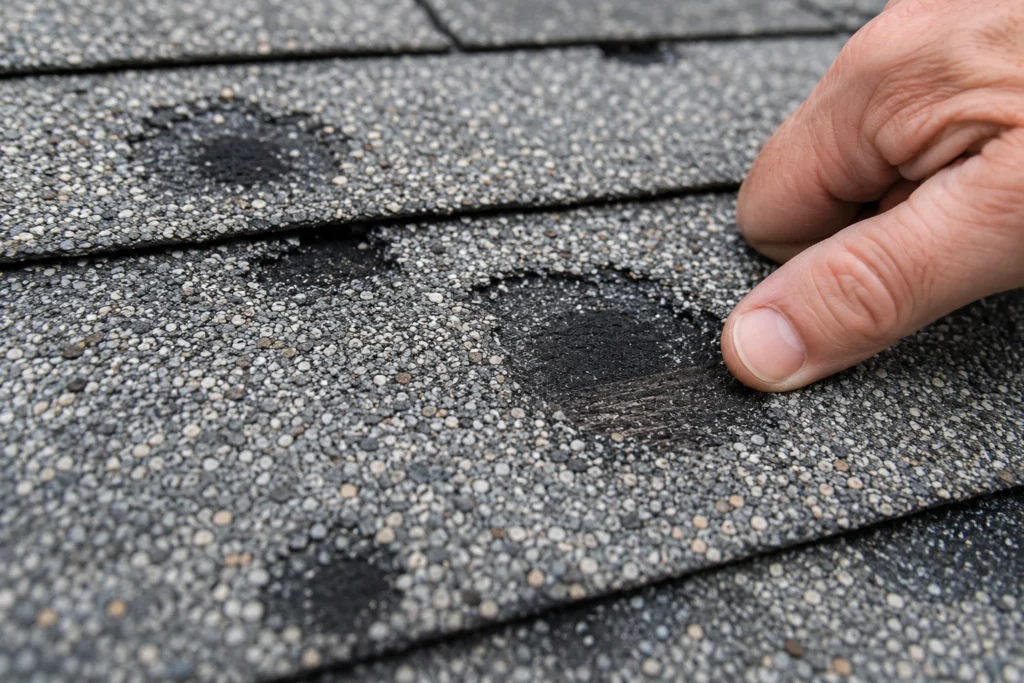
Common hail indicators include:
- Granule loss on shingles
- Circular bruising
- Cracked tiles
- Dented vents
- Bent flashing
- Exposed fiberglass matting
- Metal impact marks
Take multiple angles. Lighting changes visibility dramatically. Morning and evening light often reveal dents more clearly than midday sunlight.
Use Objects for Scale
This small trick makes a huge difference. Place an object beside the damage to show size.
Good options include:
- Coins
- Tape measures
- Work gloves
- Pens
- Markers
A quarter beside a hail bruise instantly gives context to adjusters reviewing photos remotely. Without scale references, photos can become harder to interpret.
Don’t Focus Only on the Roof
This happens constantly. Homeowners obsess over shingles while ignoring surrounding damage that may actually strengthen the claim more effectively. Document everything.
Important Collateral Damage Areas
| Area | Common Hail Indicators |
| Gutters | Dents and impact marks |
| Window screens | Tears and punctures |
| HVAC fins | Bent aluminum |
| Siding | Chips and cracks |
| Deck stains | Pitting marks |
| Fences | Splintering or paint damage |
| Skylights | Cracks and fractures |
Insurance adjusters often use collateral damage patterns to confirm storm severity. In many cases, soft metal damage becomes one of the strongest pieces of supporting evidence.
Video Documentation Adds Extra Credibility
Photos freeze moments. Videos provide context. Both matter. Walk around the property slowly while recording. Narrate visible issues clearly.
For example:
- “This is the west-facing slope.”
- “You can see dents along the gutter line.”
- “Window screen damage appears throughout the rear elevation.”
Simple narration helps create structure later during claim discussions. It also shows authenticity.
Drone Footage Is Becoming Extremely Valuable
Drone inspections have changed roofing claims dramatically. Why? Because they safely capture angles impossible from the ground.
High-resolution drone footage helps reveal:
- Slope-wide hail patterns
- Impact density
- Flashing damage
- Vent damage
- Chimney cap dents
Drone imagery also creates cleaner visual presentations during disputes. Especially on steep roofs. If homeowners cannot safely inspect the roof themselves, hiring professionals for drone imaging can be a smart investment.
Common Signs of Hail Damage Homeowners Miss
Not all hail damage looks dramatic. In fact, some of the most expensive roof damage initially appears subtle.
Asphalt Shingle Damage
Look for:
- Dark circular spots
- Soft bruises
- Missing granules
- Exposed asphalt
- Random impact patterns
Bruising may not always be visible in photos alone. Sometimes gentle physical inspection reveals soft spots beneath the shingle surface.
Metal Roofing Damage
Metal roofs present unique challenges. Some dents are cosmetic. Others compromise seams, fasteners, or protective coatings.
Document:
- Panel distortions
- Seam separation
- Paint fractures
- Flashing damage
Tile Roof Damage
Tile systems can crack in ways homeowners completely miss. Hairline fractures may later allow water intrusion long after the storm passes.
Document:
- Edge cracks
- Corner fractures
- Broken ridge caps
- Slipped tiles
Interior Damage Matters Too
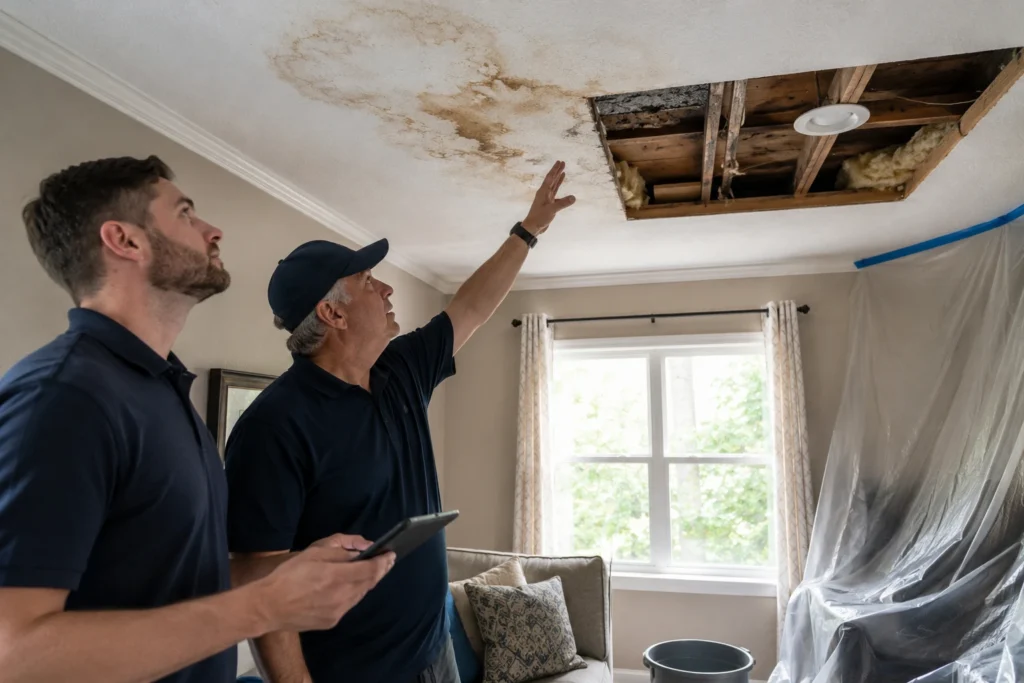
Many homeowners focus entirely outside. Big mistake. Hail-related roof damage often leads to interior moisture problems later.
Document:
- Ceiling stains
- Bubbling paint
- Wet insulation
- Attic moisture
- Mold growth
- Wall discoloration
Take photos immediately. Then continue documenting changes over time. Progressive damage can support supplemental claims later.
Save Every Receipt Related to the Storm
Insurance claims involve more than roof replacement costs. Temporary protection expenses may also qualify for reimbursement.
Save receipts for:
- Emergency tarping
- Water extraction
- Temporary repairs
- Dehumidifier rentals
- Hotel stays
- Roofing inspections
Many homeowners forget this completely. Then later realize they threw away hundreds or thousands of dollars in reimbursable expenses.
Contractor Inspection Reports Strengthen Claims
Professional inspection reports can carry serious weight.
Especially when they include:
- Photo documentation
- Roof diagrams
- Damage measurements
- Slope analysis
- Material assessments
- Repair recommendations
Detailed reports help establish independent verification before the insurance inspection occurs. This becomes extremely important during disputes involving partial approvals or underestimated repair scopes.
Organize Communications Carefully
Documentation is not just photos. It includes communication records too. Create a simple communication log.
Track:
| Detail | Example |
| Date | April 14 |
| Representative name | John Smith |
| Company | XYZ Insurance |
| Discussion summary | Inspection scheduled |
| Next steps | Await estimate |
This prevents confusion later. Insurance claims can stretch for weeks or months. Keeping organized records helps homeowners maintain control throughout the process.
Backup Everything Digitally
Never rely on one storage location. Phones fail. Files disappear. Cloud syncing errors happen. Use multiple backups whenever possible.
Recommended approach:
- Cloud storage
- Email copies to yourself
- External drive backups
- Shared folder access with spouse or contractor
Redundancy protects valuable evidence.
Understand What Adjusters Look For
Insurance adjusters evaluate patterns. Not isolated damage alone.
They often look for:
- Consistent impact direction
- Matching collateral damage
- Storm-created damage vs aging
- Roof condition before loss
- Repair feasibility
- Material availability
This is why organized documentation matters so much. The clearer the evidence pattern becomes, the harder it is to dismiss legitimate storm damage.
Storm Damage vs Wear and Tear
This is one of the most common claim battles. Insurance companies frequently argue that roof problems stem from:
- Aging
- Thermal cracking
- Manufacturing defects
- Poor maintenance
- Foot traffic
- Previous repairs
Strong storm documentation helps separate hail impact from normal deterioration. That distinction directly affects coverage decisions.
Neighborhood Damage Helps Your Claim
Context matters. If surrounding homes received roof replacements after the same storm, document that. Photos of nearby damage can help establish storm severity patterns. Especially in Frisco neighborhoods where hailstorms impact entire subdivisions simultaneously. You are not trying to copy neighbors’ claims. You are demonstrating broader storm consistency.That matters.
Mistakes That Hurt Hail Claims
Some homeowner mistakes create major claim problems. And unfortunately, they happen constantly.
Waiting Too Long
Delays weaken evidence. Storm-created conditions change quickly.
Throwing Away Damaged Materials
Never discard damaged roofing materials before documentation. They may become valuable evidence later.
Making Permanent Repairs Too Soon
Temporary mitigation is good. Permanent replacement before inspection can complicate the claim process significantly.
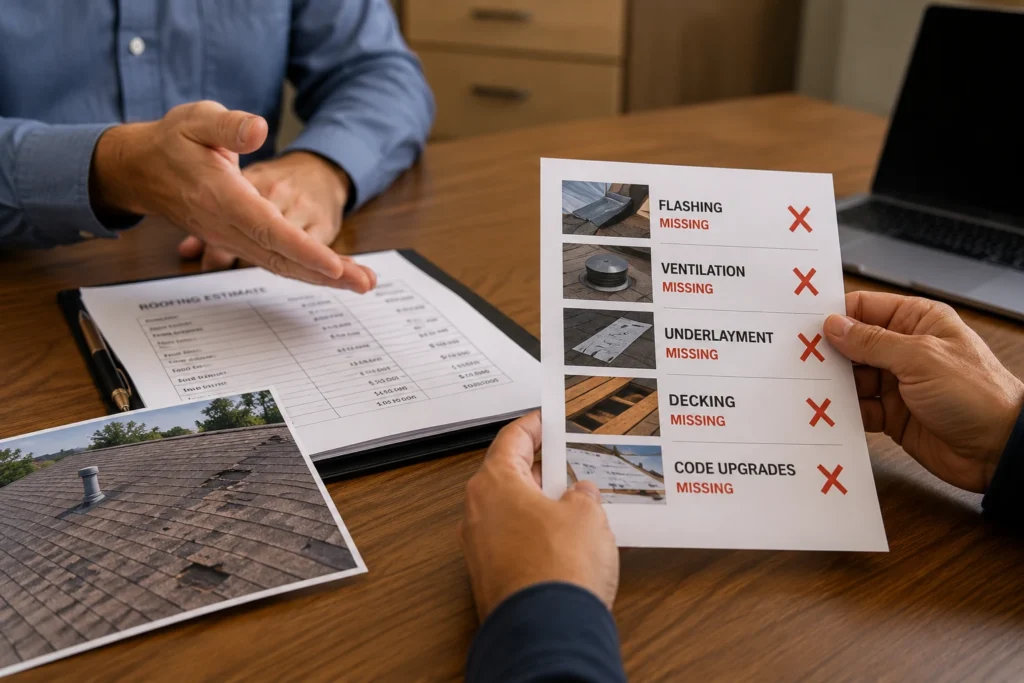
Accepting the First Offer Immediately
Initial estimates sometimes miss major repair items.
Especially supplements involving:
- Flashing
- Ventilation
- Underlayment
- Decking
- Code upgrades
Ignoring Interior Damage
Roof claims are not just exterior claims. Interior moisture documentation matters too.
When Professional Help Makes Sense
Not every claim requires outside representation. But some absolutely do.
Roofing Contractors
Good roofing contractors can identify:
- Hidden slope damage
- Repair scope deficiencies
- Code compliance issues
- Material matching concerns
Choose contractors experienced specifically with insurance restoration work. Not just general roofing.
Public Adjusters
Public adjusters represent policyholders, not insurance carriers.
They often help with:
- Policy interpretation
- Documentation organization
- Supplemental negotiations
- Scope disputes
- Settlement evaluations
This becomes especially useful for larger or disputed claims.
Engineers and Specialists
Complex losses sometimes require engineering evaluations.
Especially when dealing with:
- Structural movement
- Commercial properties
- Large custom homes
- High-end roofing systems
Preparing for the Insurance Inspection
The insurance inspection is critical. Preparation matters.
Have ready:
- Photo folders
- Inspection reports
- Repair receipts
- Storm timeline
- Questions list
Walk the property with the adjuster whenever possible. Point out concerns respectfully and clearly. Avoid emotional arguments. Focus on evidence. That approach works better.
Ask Questions During the Inspection
Homeowners often stay silent during inspections. You should not.
Ask:
- Which slopes are being marked?
- What collateral damage is being documented?
- Will interior damage be included?
- Are code items being considered?
- Will additional inspections be needed?
Clear communication reduces misunderstandings later.
Documentation Often Impacts Claim Value
This is reality. Well-documented claims frequently result in stronger settlements. Why? Because evidence reduces uncertainty. Insurance carriers respond to organized, defensible claims differently than vague complaints.
Especially when homeowners provide:
- High-quality imagery
- Independent inspections
- Consistent timelines
- Detailed records
- Supplemental support documentation
Strong evidence creates negotiation leverage. Weak evidence creates delays.
Real-World Claim Problems Homeowners Encounter
Many homeowners assume hail claims are straightforward. They often are not. Common issues include:
| Problem | Result |
| Missed collateral damage | Lower settlement |
| Poor photo quality | Inspection disputes |
| Delayed filing | Coverage questions |
| Incomplete inspections | Supplemental disputes |
| Missing receipts | Out-of-pocket costs |
| Weak organization | Slower processing |
Preparation changes outcomes.
Technology Is Changing Hail Claims
Modern claims now involve:
- Drone inspections
- AI-assisted imagery
- Satellite analysis
- Weather verification software
- Digital estimating systems
- High-resolution mapping
Homeowners who document thoroughly position themselves better within this increasingly technical environment. Evidence quality matters more than ever.
Why Pre-Hire Research Matters
Many homeowners rush into contractor agreements immediately after storms. That can create problems.
Before signing anything:
- Understand your policy
- Organize your evidence
- Learn basic claim terminology
- Compare inspections
- Review estimates carefully
Knowledge creates leverage. The more informed homeowners become about How to Document Hail Damage for an Insurance Claim, the harder it becomes for important damage to get overlooked. Strong documentation helps homeowners slow down and think strategically instead of reacting impulsively. This becomes especially important during a Hail Damage Roof Insurance Claim: How to Protect Your Roof situation where every photo, receipt, and inspection report can directly influence the final settlement outcome. Some homeowners even use advanced weather mapping concepts similar to LiDAR technology to better understand storm tracking and property impact patterns after severe hail events.
Why Insurance Estimates and Contractor Estimates Often Don’t Match
This surprises homeowners all the time. They receive an insurance estimate. Then a roofing contractor reviews the property and produces a completely different number. The gap can be enormous. That does not automatically mean someone is dishonest. It often means the scope of damage differs.
Insurance adjusters may miss:
- Steep roof charges
- Flashing replacement
- Starter shingles
- Ridge ventilation
- Drip edge
- Code-required upgrades
- Detached structures
- Additional slopes with functional damage
This is why documentation remains so important throughout the process. Detailed evidence supports supplemental negotiations later if additional damage is discovered during repairs. Many claims grow after the original inspection because hidden storm damage becomes visible once roofing materials are removed.
Why Roof Age Becomes a Major Discussion Point
Older roofs almost always receive heavier scrutiny during hail claims. Insurance carriers may argue that aging shingles already showed deterioration before the storm occurred.
Homeowners need to document:
- Pre-storm roof condition
- Maintenance records
- Prior inspection reports
- Repair history
- Previous claim history
If the roof was functioning properly before the storm, that distinction matters. Even older roofing systems can sustain legitimate hail damage that qualifies for coverage. The key is separating storm-created impact damage from normal aging. Strong photo evidence helps tremendously here.
The Importance of Consistency in Your Documentation
Consistency creates credibility. If your photos, inspection reports, timelines, and weather records all align together, the claim becomes easier to validate. But inconsistencies create openings for disputes.
For example:
- Different storm dates in reports
- Missing timestamps
- Contradicting descriptions
- Unclear property photos
- Incomplete slope documentation
Small mistakes can complicate large claims. This is another reason organized documentation helps homeowners tremendously during stressful claim situations.
Why Some Hail Damage Is Hard to Spot Immediately
Not all storm damage becomes visible right away. Some problems develop slowly. A roof may initially appear intact while hidden fractures beneath the shingle surface gradually worsen through heat, rain, and UV exposure. Over time, those compromised areas weaken further.
Eventually homeowners begin noticing:
- Small ceiling spots
- Attic moisture
- Increased energy bills
- Mold growth
- Dripping around vents
- Interior paint bubbling
By then, weeks or months may have passed since the original storm. That is why early documentation matters so much. Immediate photos establish the condition of the property directly after impact rather than later after deterioration progresses.
Documentation Helps Reduce Emotional Decision-Making
Storm damage creates stress. Understandably.
People worry about:
- Cost
- Safety
- Insurance delays
- Contractor scams
- Interior leaks
- Family disruption
But emotional decisions can hurt claims. Good documentation helps homeowners slow down and think strategically instead of reacting impulsively.
When everything is organized clearly, it becomes easier to:
- Compare contractor opinions
- Review estimates objectively
- Understand claim differences
- Track missing items
- Request supplements properly
Information creates confidence. Confidence improves decision-making.
What Homeowners Should Document Inside the Attic
Many people never check the attic after hailstorms. That can be a mistake. Attics often reveal early signs of roof compromise before interior rooms show visible staining.
Inspect for:
- Damp insulation
- Water trails on decking
- Sunlight penetration
- Moldy odors
- Rusted nails
- Darkened wood
Take photos immediately if any issues appear. Attic evidence can strongly support roof-related insurance claims because it connects exterior storm damage to interior moisture intrusion.
Final Reminder: Documentation Protects You Long Before Repairs Begin
The biggest misconception in roofing claims is believing documentation only matters after the insurance company becomes involved. In reality, the strongest claims begin before the first adjuster ever arrives. The moment the storm passes, the documentation process begins. Every photo matters. Every note matters. Every receipt matters.
And every organized detail strengthens your position moving forward. For homeowners researching How to Document Hail Damage for an Insurance Claim, the goal is not simply taking pictures of a damaged roof. The goal is building a clear, evidence-based narrative that supports the full extent of storm-related loss.
That preparation can help homeowners avoid underpaid settlements, reduce delays, strengthen negotiations, and move through the claim process with far greater confidence. Especially in storm-prone areas like Frisco, where severe hail events can impact entire neighborhoods within minutes, proper documentation remains one of the smartest financial protections a homeowner can have before hiring contractors, roofers, or public adjusters.
FAQs
You should document hail damage as soon as it is safe to do so. Early evidence helps connect the damage directly to the storm event.
Use both wide-angle and close-up photos with good lighting. Include scale references like coins or tape measures beside damaged areas.
Yes. Many hail-damaged roofs do not leak immediately, but still qualify for insurance coverage due to functional damage.
A professional inspection before filing can help identify hidden damage and strengthen your documentation.
Insurance adjusters often inspect shingles, flashing, gutters, vents, siding, HVAC units, and other soft metal surfaces for impact damage.
Yes. Ceiling stains, attic moisture, and wall discoloration can help show that storm damage affected the home internally.
Insurance estimates may miss code upgrades, hidden damage, or supplemental repairs that contractors later identify during restoration.
Absolutely. Drone inspections can safely capture high-resolution roof images and reveal widespread impact patterns.
Avoid delaying inspections, throwing away damaged materials, making permanent repairs too early, or failing to save receipts and photos.
You may want to contact a public adjuster if the claim becomes delayed, underpaid, disputed, or unusually complex.