
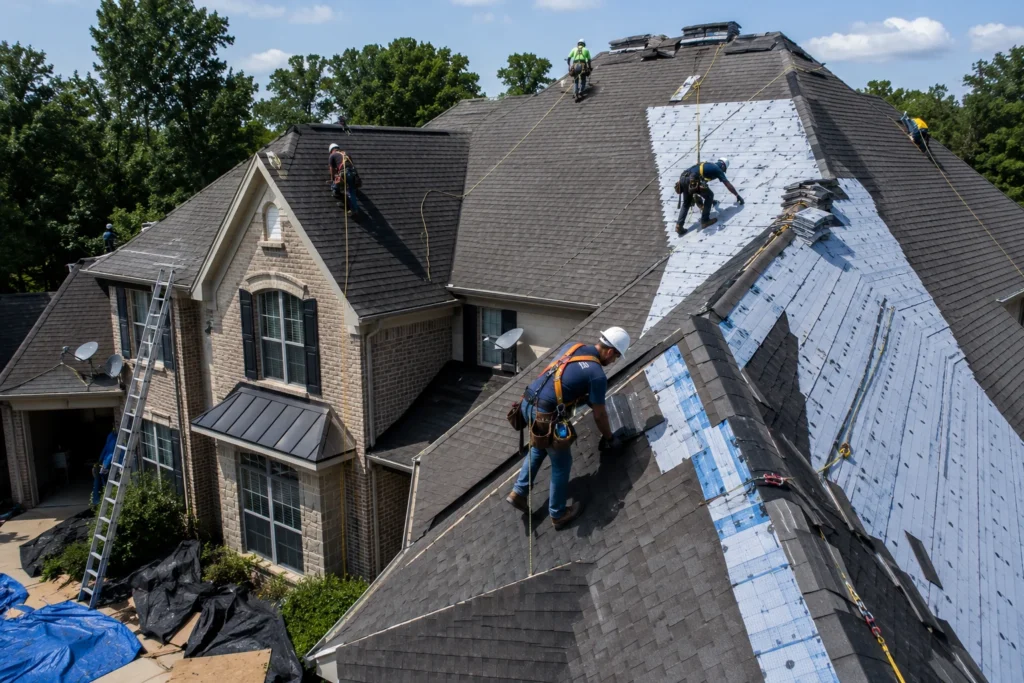
After major Texas storms, many homeowners assume the insurance company’s estimate represents the full cost of repairs. That assumption can become expensive. The reality is that hail damage claim supplements: what carriers miss in their scope is one of the biggest issues affecting roofing claims today. Initial carrier estimates often leave out critical components, underestimate labor, skip code-required upgrades, or fail to include hidden damage that only appears during repair work.
I have seen it happen repeatedly. A homeowner receives a settlement. The number looks reasonable at first glance. Then the contractor begins work and discovers missing flashing, damaged decking, inadequate ventilation, steep roof charges, or underlayment requirements the carrier never included. Suddenly the approved estimate no longer covers the actual repair.
This is exactly why supplementing matters. In storm-prone areas like Frisco, detailed claim analysis can dramatically change the final payout. And when Xactimate expertise enters the conversation, the difference becomes even more noticeable. Accurate scoping is not about inflating claims. It is about identifying legitimate repair costs required to restore the property correctly and safely. Let’s break down what carriers commonly miss, why supplements happen so often, and how detailed Xactimate analysis can protect homeowners from underpaid hail claims.
Understanding Hail Damage Claim Supplements
A supplement is a revised estimate submitted after additional damage or missing repair items are discovered. Simple concept. Huge impact. Insurance estimates are rarely perfect on the first inspection. Adjusters work under time pressure. Some inspections last less than an hour. Others happen during periods of heavy storm volume when carriers are processing thousands of claims simultaneously.
Mistakes happen. Sometimes those mistakes are minor. Other times they create thousands of dollars in missing repairs. A supplement allows missing items to be added back into the scope.
That includes:
- Additional roofing materials
- Code-required upgrades
- Hidden water damage
- Labor adjustments
- Safety-related charges
- Detach-and-reset items
- Interior repairs
- Structural concerns
This is why hail damage claim supplements: what carriers miss in their scope continues to be such a major issue across Texas roofing claims.
Why Initial Carrier Estimates Often Miss Damage
There are several reasons insurance scopes come in low. Some are accidental. Others are systemic.
Limited Inspection Time
Many field adjusters handle multiple claims per day after major storms. That pace creates rushed inspections. The result? Important details get overlooked.
Roof Complexity
Steep roofs, multi-story properties, metal valleys, skylights, solar systems, and specialty roofing materials all increase inspection difficulty. Complex roofs require more detailed measurements and more time. Not every inspection receives that level of attention.
Incomplete Attic Evaluations
A surprising number of claims never include proper attic inspection. That is a problem. Water intrusion often reveals itself inside the attic before visible interior staining appears in living areas.
Pressure to Control Claim Costs
Insurance carriers operate businesses. Cost control matters to them. That reality affects estimating practices. Some scopes prioritize repair over replacement. Others minimize accessory replacement or exclude certain line items unless challenged. This is where experienced supplement review becomes critical.
What Xactimate Actually Does
Xactimate is the estimating platform used throughout the insurance restoration industry. Most carriers use it. Public adjusters use it. Contractors use it. Independent adjusters use it. The software itself is not the issue. The problem lies in how estimates are written.
Two people can inspect the same roof using Xactimate and produce dramatically different totals depending on:
- Measurements
- Line-item selection
- Waste calculations
- Labor assumptions
- Code inclusion
- Material quality
- Access difficulty
- Regional pricing updates
That is why Xactimate expertise matters so much in hail claims. The software is only as accurate as the person operating it.
Common Xactimate Errors Found in Carrier Scopes
Some omissions appear constantly in Texas hail claims. Especially after widespread storms.
Here are several examples.
| Commonly Missed Item | Why It Matters |
| Starter shingles | Required for proper edge sealing |
| Drip edge | Protects decking from water intrusion |
| Ice and water shield | Often required by code or manufacturer |
| Ridge cap replacement | Impacts wind resistance |
| Flashing replacement | Prevents future leaks |
| Steep roof charges | Labor and safety costs increase significantly |
| Detach and reset items | Necessary for access and proper installation |
| Ventilation components | Critical for roof performance |
| Decking replacement | Required when wood becomes compromised |
Individually these omissions may seem small. Together they can create major financial gaps.
Roofing Components Carriers Frequently Miss
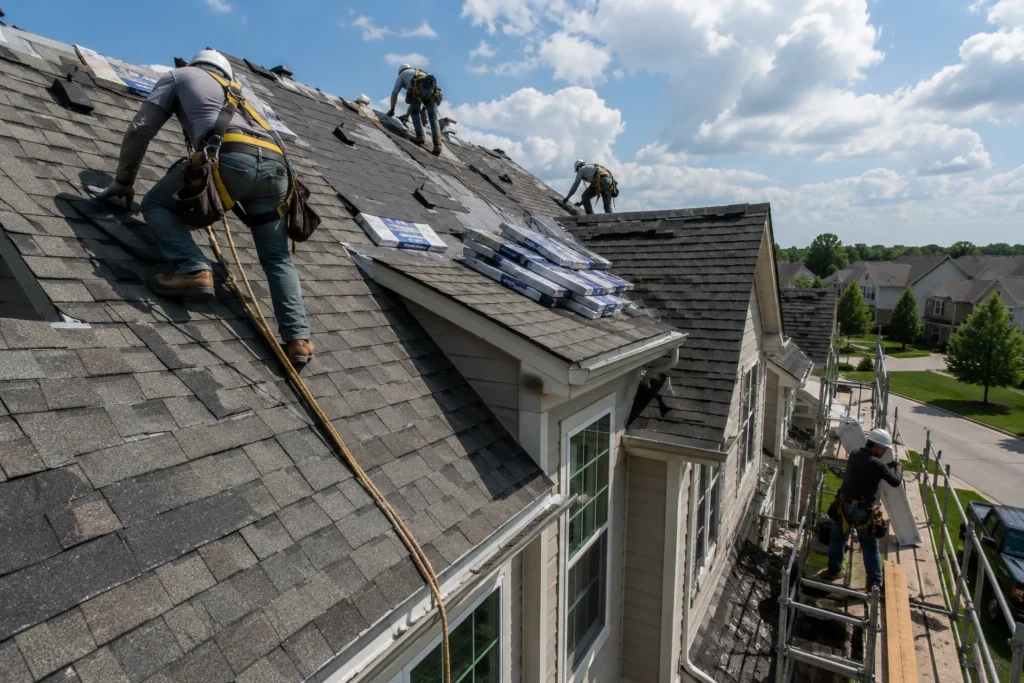
Roof systems contain far more than shingles. That is where many underpaid claims begin.
Flashing Systems
Flashing failures create some of the most expensive long-term roofing problems. Yet flashing is commonly underestimated or excluded entirely.
This includes:
- Step flashing
- Counter flashing
- Chimney flashing
- Pipe jack flashing
- Valley metal
When flashing becomes compromised during hail events or roof replacement, it often requires full replacement to maintain waterproofing integrity. Skipping flashing replacement may lower claim costs initially. It also increases leak risks later.
Drip Edge
Drip edge protects the roof perimeter from water infiltration. Texas storms bring heavy wind-driven rain. That matters. Improper or damaged drip edge can allow water intrusion beneath shingles and into decking edges. In many cases, replacement becomes necessary during reroofing. Yet it is commonly omitted from initial estimates.
Ridge Cap Materials
Ridge caps handle heavy wind exposure. They also experience direct hail impact. When carriers only approve field shingles while ignoring ridge materials, the repair scope becomes incomplete.
Underlayment
Underlayment acts as secondary water protection beneath shingles. Older roofs may contain outdated felt systems that no longer meet modern installation standards. Updated code requirements or manufacturer specifications often require upgraded underlayment during replacement. This is another area where hail damage claim supplements: what carriers miss in their scope becomes highly relevant.
Steep Roof Charges Matter More Than Homeowners Realize
Not all roofs carry equal labor difficulty. A steep roof changes everything. Safety requirements increase. Crew movement slows. Material handling becomes harder. Fall-protection systems become necessary. All of that affects labor pricing. Yet steep charges are frequently underapplied or excluded altogether.
Why Steep Charges Exist
Steep roofs require:
- Additional harness systems
- Specialized safety equipment
- Slower installation pace
- Increased liability exposure
- Additional crew support
Those are legitimate labor realities. Not optional upgrades.
Multi-Story Roof Access Changes Pricing
Two-story and three-story homes increase labor complexity significantly. Material transport takes longer. Debris removal becomes harder. Safety setup expands. The result is higher labor cost. Carrier scopes sometimes ignore those realities completely.
Detach-And-Reset Items Often Missing From Estimates
This category causes major supplement disputes. Detach-and-reset work refers to temporary removal and reinstallation of items affected during roofing operations.
Common examples include:
- Satellite dishes
- Solar panels
- Gutters
- Window screens
- HVAC line covers
- Exterior lighting
- Patio covers
These items cannot simply remain untouched during reroofing. Access requires adjustment. If omitted from the estimate, contractors eventually submit supplements once work begins.
Code Upgrades Are Frequently Overlooked
This is one of the biggest supplement categories in Texas. Building codes evolve constantly. Insurance scopes do not always keep pace.
Ordinance and Law Coverage
Many homeowners have ordinance and law coverage built into their policies. Few understand it. This coverage helps pay for code-required upgrades triggered during repair work.
That can include:
- Updated underlayment systems
- Enhanced fastening requirements
- Ventilation improvements
- Decking replacement thresholds
- Ice and water barrier requirements
Without supplement review, these costs may never appear in the original estimate.
Why Local Code Knowledge Matters
Every municipality approaches enforcement differently. That matters in roofing claims. Contractors familiar with Frisco requirements understand how local inspections are handled, which upgrades are commonly enforced, and what documentation carriers typically request. Local experience matters. Especially during supplement negotiations.
Hidden Damage Is One of the Biggest Problems in Hail Claims
Not all storm damage is visible from the surface. Some issues reveal themselves only after tear-off begins. That creates supplement situations immediately.
Damaged Roof Decking
Hail and moisture exposure can weaken decking over time. Once shingles are removed, contractors may discover:
- Soft decking
- Delamination
- Water staining
- Structural weakness
Decking replacement often becomes mandatory at that point.
Attic Moisture Issues
Attics tell the truth. Signs frequently missed during initial inspections include:
- Wet insulation
- Mold development
- Ventilation imbalance
- Moisture staining
These issues affect long-term roof performance and indoor air quality. Ignoring them creates future problems.
Many homeowners begin researching What to Do If Your Hail Claim Was Denied in Frisco, TX after discovering their original estimate failed to cover critical roofing components or hidden structural damage. A denial does not always mean the claim is over. In many cases, stronger documentation, updated inspections, detailed Xactimate analysis, and professionally prepared supplements can reopen discussions and lead to additional compensation for legitimate storm-related repairs.
Matching Problems Create Major Claim Disputes
Partial roof repairs sound simple. Until matching becomes impossible. Manufacturers discontinue products constantly. Colors fade over time. Granule blends change.
The result? Visible patchwork roofs. That creates both aesthetic and property-value concerns.
Why Matching Matters
Homeowners should not end up with obvious mismatched repairs after covered storm damage. Proper documentation becomes critical here.
Helpful evidence includes:
- Manufacturer availability reports
- Supplier letters
- Side-by-side comparisons
- High-resolution photographs
These details strengthen supplement negotiations significantly.
Documentation Changes Everything
Strong supplements rely on evidence. Not opinions. Detailed documentation transforms claim discussions from emotional arguments into fact-based negotiations. That matters tremendously.
Important Documentation Types
| Documentation Type | Why It Helps |
| Drone imagery | Captures roof-wide damage patterns |
| Test squares | Confirms hail impact density |
| Moisture readings | Supports hidden water damage claims |
| Weather reports | Verifies storm event severity |
| Measurement reports | Confirms material quantities |
| Interior photos | Documents secondary damage |
| Contractor reports | Supports repair necessity |
The more organized the evidence becomes, the stronger the supplement position grows. Strong documentation creates leverage during negotiations, especially when claims involve highly detailed evaluation methods similar to photogrammetry, where precise measurements and imaging analysis improve accuracy.
How Experienced Public Adjusters Build Supplements
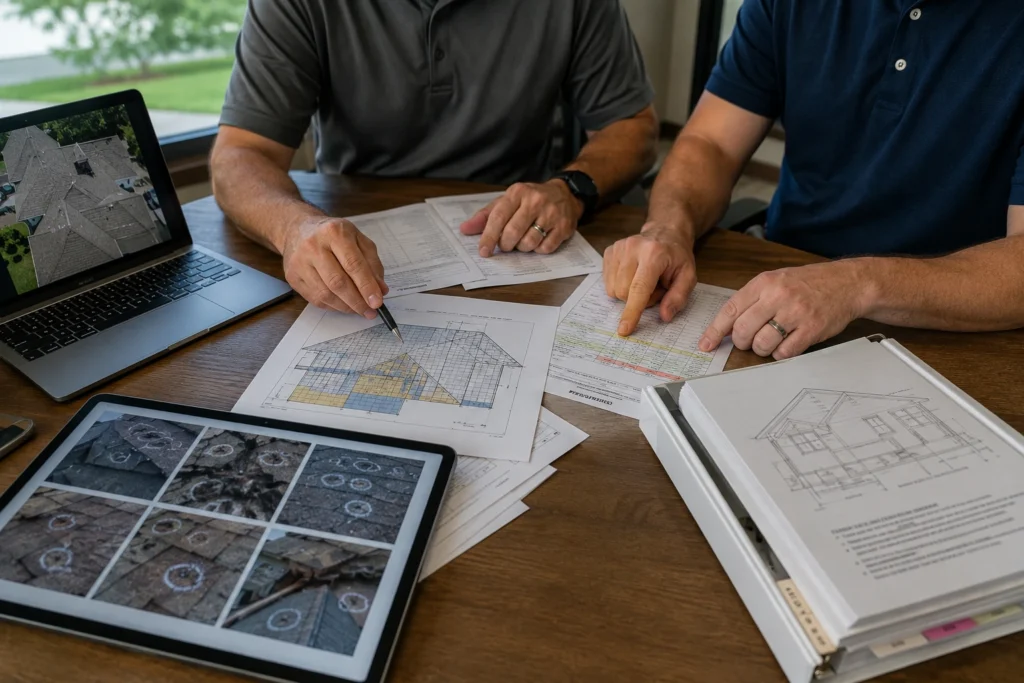
Professional supplement preparation involves strategy. Not guesswork. Experienced adjusters approach claims methodically.
Scope Comparison
The first step often involves comparing the carrier estimate against actual repair requirements. Every line item matters.
Measurement Verification
Incorrect measurements create major payment gaps. Even small errors multiply across roofing systems.
Code Review
Adjusters evaluate current code requirements and determine whether ordinance and law coverage applies.
Supporting Documentation
Photos, manufacturer specifications, inspection reports, and contractor findings all become part of the supplement package. Strong documentation creates leverage.
Common Pushback From Insurance Carriers
Supplement negotiations rarely happen without resistance. Certain responses appear repeatedly.
“The Damage Is Cosmetic”
Carriers sometimes classify hail impact as cosmetic rather than functional. The distinction matters because cosmetic exclusions may limit coverage. Detailed documentation helps counter this argument.
“Repair Is Sufficient”
Some carriers prefer localized repairs even when broader replacement becomes necessary.
This often creates disputes involving:
- Matching
- Wind resistance
- Manufacturer requirements
- Repair feasibility
“The Item Is Not Storm Related”
Causation disputes happen constantly. Adjusters and contractors must demonstrate how the storm event created or contributed to the damage being claimed.
How Xactimate Expertise Strengthens Negotiations
This is where deep estimating knowledge becomes powerful. Experienced supplement reviewers understand:
- Correct line-item usage
- Regional pricing updates
- Labor complexity adjustments
- Roofing system interactions
- Material compatibility
- Manufacturer installation requirements
That expertise changes outcomes. It also helps avoid weak supplement requests that lack supporting justification.
Why Underpaid Claims Become Dangerous
Many homeowners focus only on immediate repair cost. The bigger risk comes later. Incomplete scopes often produce incomplete repairs. That creates long-term exposure.
Problems That Develop Later
- Recurring leaks
- Premature roof failure
- Mold growth
- Warranty problems
- Structural deterioration
- Reduced resale value
Saving money upfront sometimes becomes far more expensive later.
Contractors Often Discover Missing Items Mid-Project
This is extremely common. A roof tear-off begins. Additional damage appears. Hidden issues emerge. At that point supplements become unavoidable.
Examples include:
- Rotten decking
- Improper prior installations
- Ventilation deficiencies
- Water-damaged fascia
- Structural movement
- Incompatible materials
This is normal in restoration work. It does not automatically mean anyone acted dishonestly. Storm damage investigations evolve as work progresses.
Why Homeowners Should Review Estimates Carefully
Too many homeowners glance only at the final payout amount. That is risky. The line items matter far more than the settlement total.
A detailed estimate review should evaluate:
- Material quantities
- Roofing accessories
- Flashing inclusion
- Ventilation components
- Safety charges
- Code upgrades
- Detach-and-reset items
Small omissions compound quickly.
Questions Homeowners Should Ask During Claim Reviews
Strong questions improve claim outcomes.
Here are several worth asking:
- Were all flashing systems included?
- Was attic inspection performed?
- Are steep charges applied correctly?
- Were local code requirements reviewed?
- Does the estimate include drip edge?
- Are ventilation upgrades necessary?
- Was decking evaluated?
- Are detach-and-reset items included?
These questions expose weak scopes quickly.
Why Local Storm Experience Matters
Texas hail claims carry unique challenges. Large hail. High winds. Intense heat. Rapid storm cycles. Contractors and adjusters familiar with Frisco properties understand those conditions better than outsiders handling claims remotely. That familiarity helps identify recurring damage patterns and common estimating mistakes.
Supplement Negotiation Is About Precision
The strongest supplements are not emotional. They are technical.
Every requested item should connect clearly to:
- Storm-related damage
- Building requirements
- Manufacturer standards
- Safety needs
- Repair feasibility
Precision wins negotiations. Vague arguments rarely do.
Red Flags Homeowners Should Watch For
Certain warning signs suggest incomplete scopes.
Pay attention when:
- Inspections feel rushed
- No attic review occurs
- The estimate lacks detail
- Flashing is excluded
- No code discussion happens
- The contractor immediately questions the estimate
- Large pricing gaps appear between estimates
These situations often indicate supplement needs.
Why Proper Scoping Protects Property Value
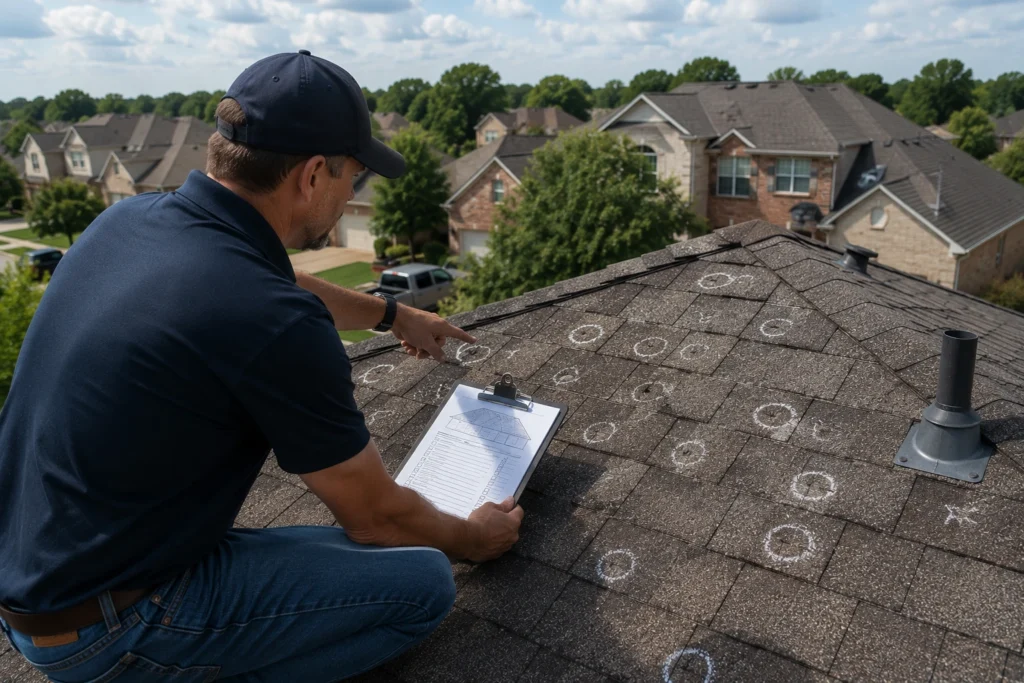
A roof is not just cosmetic protection. It affects the entire structure. Incomplete repairs can reduce buyer confidence, create inspection issues during resale, and shorten system lifespan. Accurate supplements help ensure repairs restore full functionality and long-term durability. That matters financially.
Especially in competitive real estate markets like Frisco. The Real Goal of Supplements Supplements are not about inflating claims. They are about accuracy. A properly prepared supplement reflects the real cost of restoring storm damage based on current conditions, code requirements, labor realities, and material needs. Nothing more. Nothing less. That distinction matters.
Final Thoughts
The first insurance estimate is not always the final word. And it should not automatically be treated that way. Hail damage claim supplements: what carriers miss in their scope remains one of the most important conversations in Texas property claims because incomplete estimates happen constantly after severe storms. Missing flashing, overlooked code upgrades, inaccurate measurements, hidden decking damage, underapplied labor charges, and excluded accessory items can leave homeowners facing major financial gaps during repairs.
This is where Xactimate expertise becomes incredibly valuable. Detailed estimating knowledge helps uncover omissions, validate legitimate repair costs, and build evidence-based supplement requests that carriers take seriously. Strong documentation, accurate measurements, organized reporting, and local roofing knowledge all contribute to better outcomes. For homeowners in Frisco dealing with hail-related property damage, understanding supplements can mean the difference between incomplete repairs and fully restored protection. And when storms hit Texas again because they will that difference matters.
FAQs
A hail damage claim supplement is a request for additional payment when important repair items were missing from the original insurance estimate.
Carriers may overlook damage because of rushed inspections, hidden issues, roof complexity, or incomplete measurements.
Xactimate is estimating software used to calculate repair costs, material pricing, labor charges, and roofing measurements.
Yes. Properly documented supplements can add legitimate repair costs that were omitted from the initial estimate.
Flashing, drip edge, ridge caps, steep roof charges, and decking replacement are commonly overlooked items.
Yes. Damage discovered during tear-off or attic inspection may qualify if it is related to the covered storm event.
Take photos, save weather reports, document interior damage, and keep all contractor inspection reports.
Building codes may require additional materials or installation methods that increase the actual repair cost.
You can request reinspection, submit stronger evidence, or pursue supplements supported by detailed documentation and Xactimate analysis.
Local professionals understand regional storm patterns, municipal code enforcement, and common carrier estimating issues in Frisco.