
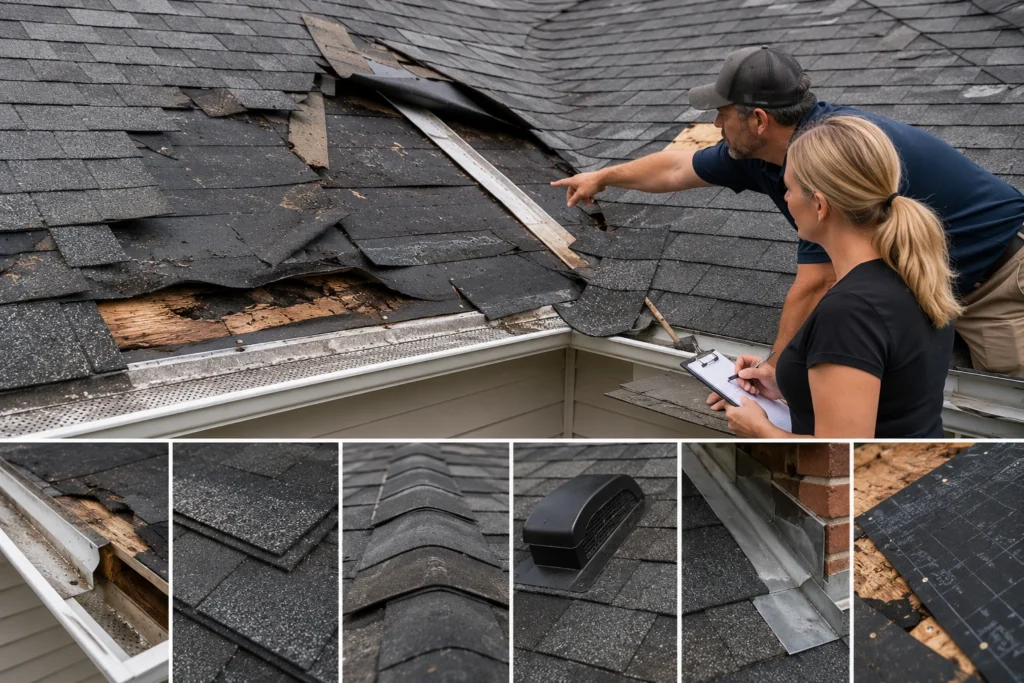
A denied insurance claim can feel like a punch to the gut. One day you are dealing with a brutal North Texas hailstorm. The next, you open a letter saying your carrier will not cover the damage. Frustrating? Absolutely. Final? Not always. If you are searching for what to do if your hail claim was denied in Frisco, TX, the good news is that homeowners still have options. In many cases, denied claims are reopened, disputed, supplemented, or even overturned entirely after stronger documentation and professional review enter the picture.
Frisco homeowners deal with intense hailstorms regularly. Roof systems take direct hits. Gutters get dented. Shingles lose granules. HVAC units suffer impact damage. Yet many carriers still deny or underpay claims by arguing the roof only has “wear and tear” or “cosmetic damage.” That is where strategy matters. This guide walks through the exact steps homeowners should take after a denial, how to strengthen a dispute, and how to avoid the mistakes that weaken roofing claims across Texas.
Why Hail Claims Get Denied in Frisco, TX
Insurance companies deny claims for many reasons. Some are legitimate. Others become questionable after closer inspection. Understanding why claims fail is the first step toward fixing the problem.
Insufficient Evidence of Damage
This is one of the biggest issues. A homeowner notices leaks after a storm. They file a claim quickly. The adjuster visits briefly, takes limited photos, and concludes there is not enough evidence linking the damage to hail. Unfortunately, many homeowners never document the roof themselves beforehand.
Strong evidence often includes:
- Close-up shingle photos
- Wide-angle roof images
- Dented metal components
- Weather reports
- Contractor inspection findings
- Interior leak documentation
- Date-stamped videos
Without detailed proof, carriers often push back aggressively.
Insurance Companies Blame “Wear and Tear”
This phrase appears constantly in denied claims.
The carrier may argue:
- The roof was already aging
- Granule loss resulted from normal deterioration
- Cracks came from heat exposure
- Damage existed before the storm
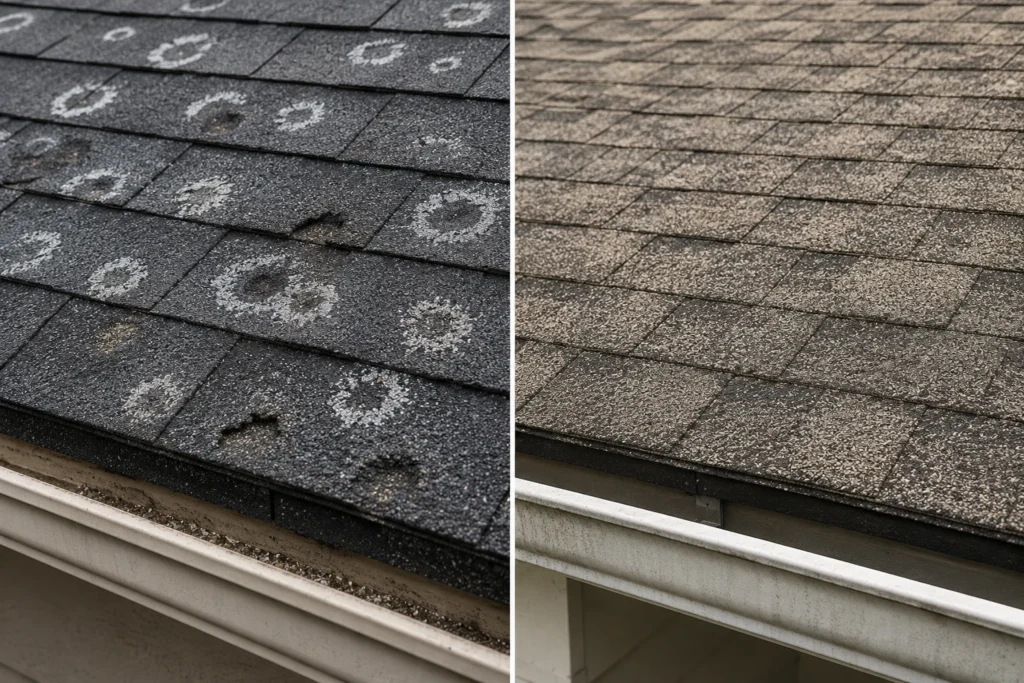
Here is the problem. Hail damage and aging sometimes look similar from a distance. That creates room for dispute. Experienced roofing inspectors know how to identify the difference between:
| Storm Damage | Normal Aging |
| Random impact bruising | Uniform deterioration |
| Fresh granule displacement | Gradual granule loss |
| Sharp fracture patterns | Brittle weather cracking |
| Dented metal components | Oxidation or corrosion |
That distinction matters enormously during claim disputes.
Late Filing Weakens the Claim
Time hurts hail claims. The longer a homeowner waits, the easier it becomes for carriers to argue the roof deteriorated from unrelated causes after the storm occurred. In Frisco, where severe weather cycles happen frequently, insurers may even argue another storm caused the damage instead of the original event. Quick action protects evidence.
Poor Initial Inspections
Not every inspection is thorough. Some adjusters spend less than thirty minutes evaluating an entire property. Others may overlook collateral damage that helps confirm storm impact severity.
Missed evidence often includes:
- Soft metal dents
- HVAC fin impacts
- Window screen tears
- Fence staining
- Garage door damage
- Detached flashing
These details support the broader claim. When they are ignored, denials become more likely.
Policy Exclusions Complicate Claims
Many homeowners never read their full policy until something goes wrong. That creates surprises later.
Common limitations include:
- Cosmetic damage exclusions
- Actual cash value policies
- Wind/hail deductibles
- Roof age limitations
- Matching restrictions
A denial does not automatically mean the damage is uncovered. It may simply mean the carrier interpreted the language differently than the homeowner expected. That distinction matters.
First Steps to Take After a Hail Claim Denial
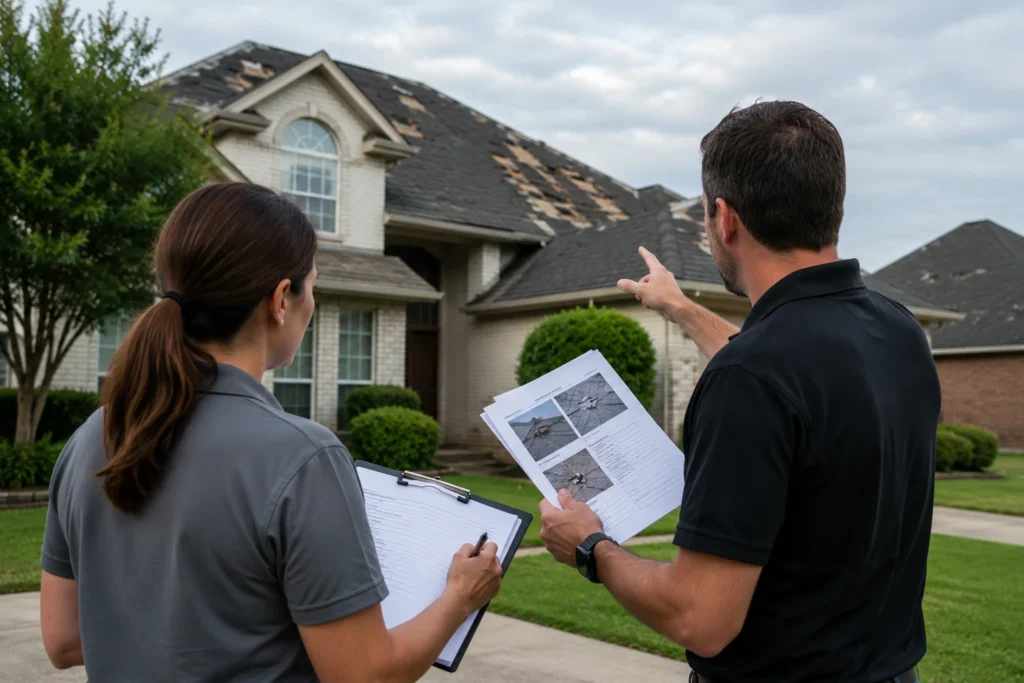
Panic leads to mistakes. The smartest move is slowing down and organizing the response carefully.
Read the Denial Letter Carefully
Do not skim it. Read every line.
Look specifically for:
- Exact denial reasoning
- Policy language references
- Claimed exclusions
- Inspection findings
- Dates
- Repair scope notes
Vague language often signals room for dispute. If the letter simply states “damage consistent with wear and tear,” that is not necessarily the final word.
Request a Full Copy of Your Policy
Not the summary page. The full policy. This matters because endorsements and exclusions often hide in later sections. You need to understand:
- Deductibles
- Appraisal rights
- Coverage limitations
- Claim deadlines
- Matching language
- Replacement cost provisions
Many homeowners discover their carrier omitted important context during the denial process.
Create a Claim Documentation Folder
Organization changes everything. Build a digital folder that includes:
- Roof photos
- Videos
- Weather data
- Emails
- Inspection reports
- Repair estimates
- Denial letters
- Call logs
- Receipts
- Contractor notes
A messy claim weakens negotiations. A documented claim creates leverage.
Do Not Immediately Accept the Denial
This is critical. Many denied claims eventually receive partial or full approval after additional evidence appears. Insurance companies know many homeowners give up after the first denial letter. Persistence matters.
How to Document Hail Damage for an Insurance Claim
Homeowners who understand How to Document Hail Damage for an Insurance Claim usually build stronger cases during disputes because detailed photos, inspection reports, timestamps, and collateral damage evidence make it much harder for carriers to dismiss legitimate storm-related losses. The strength of your evidence often determines the strength of your claim. Weak documentation creates arguments. Detailed documentation creates pressure.
Exterior Roof Evidence Matters Most
Roof surfaces reveal the primary story.
Look for:
- Circular impact bruises
- Cracked shingles
- Missing granules
- Exposed asphalt
- Torn tabs
- Split seams
- Dented vents
- Damaged flashing
Metal roofing systems often show visible denting faster than asphalt shingles. Tile roofs may crack subtly after impacts. Each roofing type behaves differently after hailstorms. That is why experienced inspections matter.
Interior Signs of Hidden Damage
Not all hail damage stays outside. Inside the home, homeowners should inspect:
- Attic decking
- Insulation
- Ceiling corners
- Wall discoloration
- Paint bubbling
- Mold smells
Sometimes the roof appears functional while moisture slowly enters underneath damaged materials. That hidden deterioration becomes expensive later.
Collateral Damage Helps Prove the Storm
One of the smartest strategies in disputed claims involves collateral evidence. Why? Because hail rarely damages only one item.
Inspect these areas carefully:
| Area | Common Storm Evidence |
| Gutters | Denting |
| HVAC units | Fin damage |
| Garage doors | Circular impacts |
| Screens | Tears |
| Fencing | Fresh splatter marks |
| Downspouts | Dings and deformation |
Collateral evidence supports the argument that severe hail actually occurred at the property.
Use Date-Stamped Photos and Videos
Timestamps strengthen credibility.
After storms:
- Photograph everything immediately
- Capture multiple angles
- Use close-ups and wide shots
- Record video walkthroughs
- Save weather alerts
The earlier the documentation begins, the harder it becomes for carriers to challenge the timeline.
Obtain Independent Roofing Inspections
This step changes many denied claims. Independent roofing contractors often identify:
- Missed impacts
- Functional damage
- Code upgrade needs
- Hidden water intrusion
- Improper carrier scope omissions
A second opinion can completely reshape negotiations.
Common Insurance Company Tactics After Hail Damage
Not every denial happens in bad faith. But many carriers use aggressive cost-control strategies. Homeowners should recognize them quickly.
Partial Approval With Tiny Repair Scopes
Sometimes insurers approve only minor repairs instead of full replacement. This tactic lowers payout exposure dramatically.
The estimate may omit:
- Flashing replacement
- Starter shingles
- Ridge materials
- Ventilation upgrades
- Underlayment
- Ice and water barriers
That creates a dangerous gap between actual repair costs and approved funds.
Engineering Reports Used Against Homeowners
This frustrates many Texas homeowners.
Carriers sometimes hire engineers who conclude:
- Damage is cosmetic only
- Shingles remain functional
- Aging caused deterioration
- Storm intensity was insufficient
Meanwhile independent roofers may reach completely different conclusions. Conflicting reports often become central dispute points. Some roofing disputes become surprisingly technical, almost resembling a form of forensic engineering when experts analyze impact patterns, material failures, and structural damage after major hailstorms.
Delayed Communication
Some claims stall endlessly. Requests repeat. Emails slow down. Documentation gets “lost.” The goal is sometimes simple: exhaustion. Frustrated homeowners occasionally accept smaller settlements just to move forward. Stay organized instead.
Misclassifying Functional Damage as Cosmetic
This issue appears constantly in hail roof disputes. Cosmetic damage may still affect:
- Roof lifespan
- Granule protection
- UV resistance
- Water shedding capability
- Property value
Functional damage arguments become especially important with metal roofs and high-end systems.
What to Do If Your Hail Claim Was Denied in Frisco, TX
Now let us focus directly on the core issue: what to do if your hail claim was denied in Frisco, TX. The next steps matter enormously.
Request a Reinspection
A reinspection allows new evidence into the process.
This works best when homeowners provide:
- Independent contractor reports
- Additional photos
- Weather documentation
- Collateral damage evidence
- Supplement estimates
The stronger the new evidence, the harder it becomes for the carrier to rely solely on the original inspection.
Hire a Public Adjuster
Public adjusters represent policyholders, not insurance companies. That distinction matters.
A public adjuster may help by:
- Reviewing policy language
- Documenting damage
- Creating detailed scopes
- Negotiating settlement values
- Challenging weak carrier conclusions
For denied claims, professional claim presentation often changes the conversation completely. Especially in large losses.
Obtain a Detailed Supplement Estimate
Initial scopes frequently miss major components. Supplement estimates often include:
- Code-required upgrades
- Additional tear-off costs
- Hidden moisture damage
- Ventilation corrections
- Flashing replacement
- Underlayment replacement
These overlooked costs can add thousands to legitimate repair totals.
Understand the Appraisal Clause
Many Texas policies contain appraisal provisions. This process allows independent appraisers to evaluate disputes over value. However, appraisal has limitations. It usually addresses pricing disagreements rather than outright coverage denials. Still, it becomes valuable in certain underpayment situations.
File a Complaint With the Texas Department of Insurance
Sometimes regulatory pressure helps. The Texas Department of Insurance allows consumers to file complaints regarding claim handling concerns. This step may encourage additional carrier review, especially if communication problems or procedural concerns exist. Documentation becomes critical here.
Consult an Attorney if Necessary
Not every denial requires legal action. Some do.
Situations that may justify legal review include:
- Suspected bad faith
- Extreme delays
- Misrepresentation concerns
- Unreasonable denial patterns
- Significant financial losses
Legal escalation becomes more common in high-value roofing disputes.
Why Frisco Homeowners Face Unique Hail Claim Challenges
Frisco presents specific claim complications compared to other regions. Storm patterns alone create serious pressure on roofing systems.
North Texas Storm Cycles Are Intense
Frisco regularly experiences:
- Large hail events
- High winds
- Sudden temperature swings
- Rapid storm development
Multiple storms may hit within the same season. That complicates claim timelines and causation arguments.
Roofing Material Variety Creates Complexity
Frisco neighborhoods contain diverse roofing systems.
Including:
- Asphalt shingles
- Designer shingles
- Metal roofing
- Tile systems
- Composite products
Each material responds differently to hail. Claims become more technical as roofing complexity increases.
HOA Appearance Rules Matter
Many Frisco communities maintain strict appearance standards. Partial repairs can create:
- Color mismatches
- Patchwork appearance
- Reduced curb appeal
- HOA compliance concerns
Matching disputes become especially important in these neighborhoods.
Contractor Demand Surges After Storms
After large hail events, roofing demand explodes.
Homeowners suddenly face:
- Long wait times
- Storm-chasing contractors
- Inflated pricing
- Scheduling delays
That urgency sometimes pushes people into rushed decisions. Avoid that trap.
Public Adjuster vs Insurance Adjuster for Hail Claims in Texas
This distinction confuses many homeowners.
Let us simplify it.
Insurance Adjusters Represent the Carrier
Even when adjusters seem friendly, their employer remains the insurance company.
Their role includes:
- Evaluating losses
- Applying policy terms
- Controlling claim costs
- Determining payout recommendations
That does not automatically mean unfair treatment. But it does mean interests differ.
Public Adjusters Represent the Policyholder
Public adjusters work for homeowners.
Their focus involves:
- Maximizing accurate claim value
- Reviewing overlooked damage
- Strengthening documentation
- Negotiating disputed scopes
That independent representation becomes useful during denied or underpaid claims.
When Hiring a Public Adjuster Makes Sense
Not every claim requires one. However, homeowners often benefit from professional help when:
- Large losses exist
- Denials occur
- Damage complexity increases
- Communication breaks down
- Settlement offers appear inadequate
Complex disputes require technical knowledge.
Hail Damage Claim Supplements: What Carriers Miss in Their Scope
Supplements play a huge role in Texas roofing claims. Why? Because initial scopes often miss real-world repair requirements.
Hidden Components Frequently Overlooked
Many estimates omit:
- Drip edge
- Starter shingles
- Ridge caps
- Ventilation components
- Flashing systems
- Ice/water barriers
These items matter for proper restoration. Incomplete scopes create incomplete repairs.
Code Compliance Upgrades Matter
Roofing codes evolve constantly. Modern repairs may require upgrades involving:
- Ventilation standards
- Underlayment requirements
- Flashing systems
- Fastener patterns
These costs add up quickly.
Interior Damage Gets Ignored
Roof claims sometimes focus too heavily on exterior surfaces. Meanwhile interior damage spreads. Additional repair costs may include:
| Interior Area | Potential Damage |
| Ceilings | Water stains |
| Drywall | Moisture weakening |
| Insulation | Saturation |
| Flooring | Warping |
| Paint | Bubbling |
Hidden moisture problems become expensive if ignored early.
Mistakes Homeowners Make After Claim Denials
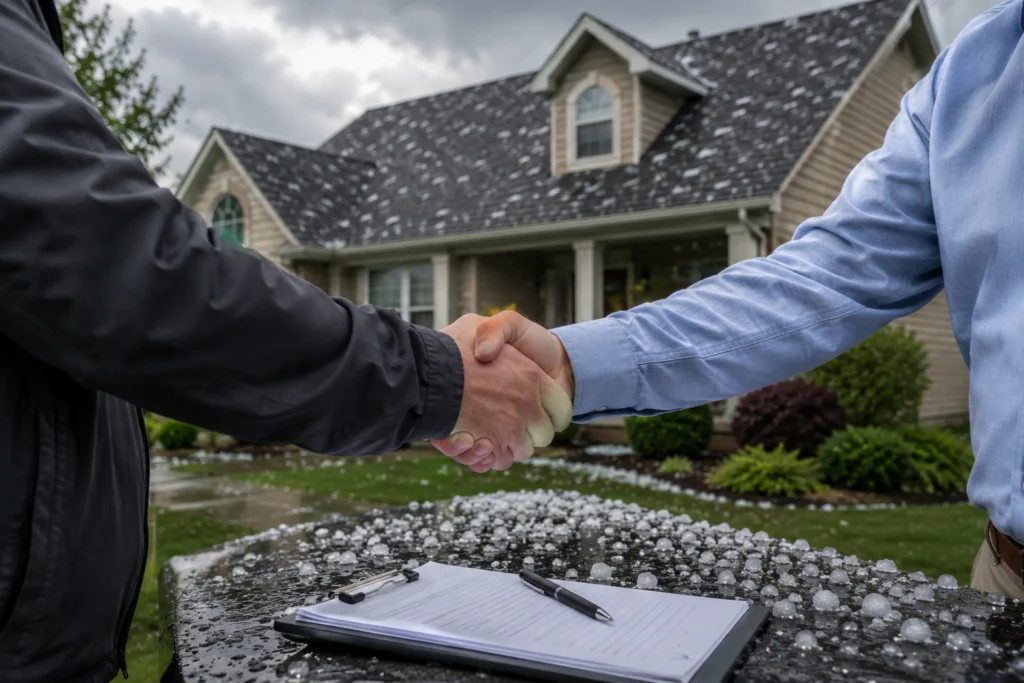
Some errors unintentionally weaken otherwise valid claims. Avoid these carefully.
Waiting Too Long
Delay creates risk. Evidence deteriorates. Weather exposure continues. Deadlines approach. Fast action protects leverage.
Throwing Away Damaged Materials
Save damaged items whenever possible.
Especially:
- Shingle samples
- Metal fragments
- Broken vents
- Detached flashing
Physical evidence matters during disputes.
Accepting Verbal Statements Only
Always request written communication. Phone conversations disappear. Emails create records. Documentation wins arguments.
Accepting Low Settlements Too Quickly
Financial pressure causes rushed decisions. But once agreements finalize, reopening claims becomes harder. Review everything carefully first.
Hiring Contractors Without Insurance Claim Experience
Not all roofers understand claims. Experienced storm restoration contractors know how to:
- Document damage
- Prepare supplements
- Identify code upgrades
- Support reinspections
That expertise matters during disputes.
How Long You Have to Dispute a Denied Hail Claim in Texas
Timelines matter enormously. Every delay reduces flexibility.
Policy Deadlines Matter
Policies may contain specific deadlines regarding:
- Supplemental claims
- Appraisal demands
- Documentation submissions
- Lawsuit filing windows
Review the policy carefully.
Evidence Fades Over Time
This is especially important in Frisco. Sun exposure, rain, heat, and additional storms gradually alter roofing conditions. That makes proving original storm causation more difficult later. Act quickly.
Preventing Future Hail Claim Problems
The best claims start before storms happen. Preparation creates protection.
Schedule Annual Roof Inspections
Especially in Texas.
Regular inspections help identify:
- Aging materials
- Seal failures
- Flashing problems
- Drainage concerns
- Minor storm impacts
Early detection strengthens future claims.
Keep Maintenance Records
Save:
- Repair invoices
- Inspection reports
- Contractor notes
- Roof photos
Good maintenance records counter “neglect” arguments later.
Upgrade Impact-Resistant Roofing Materials
Some modern roofing systems resist hail better than older materials. That may reduce future damage severity. Potential benefits include:
- Longer roof lifespan
- Reduced maintenance
- Better storm resistance
- Possible insurance discounts
Document Storm Damage Immediately
This cannot be overstated. Immediately after storms:
- Take photos
- Record videos
- Save weather alerts
- Schedule inspections
- Create digital backups
Fast documentation changes claim outcomes.
Final Thoughts: A Denied Claim Is Not Always the End
Hail claim denials feel overwhelming at first. Especially when roof damage clearly exists and repairs cannot wait. But homeowners still have options. If you are researching what to do if your hail claim was denied in Frisco, TX, remember this: many denied claims become successful after stronger evidence, better inspections, organized documentation, and professional negotiation enter the process. The key is acting strategically.
Not emotionally. Strong claims rely on facts. Photos. Timelines. Reports. Detailed scopes. Consistent follow-up. Professional analysis. Insurance disputes are rarely won through frustration alone. They are won through preparation. And in Frisco, where hailstorms remain a recurring reality, preparation matters more than ever.
FAQs
Yes, many denied hail claims can be reopened if you provide stronger evidence, updated inspections, or supplemental documentation.
Common reasons include insufficient evidence, policy exclusions, delayed filing, or claims that the damage resulted from normal wear and tear.
Absolutely. Independent roofing inspections often uncover overlooked storm damage and help strengthen disputes.
The timeline depends on your insurance policy and Texas regulations, so it is important to act quickly before deadlines expire.
A public adjuster represents the homeowner, documents damages, reviews policy language, and negotiates with the insurance company.
Yes. Cosmetic impacts can reduce roof lifespan, weaken protective surfaces, and lead to future water intrusion problems.
Photos, videos, contractor reports, weather data, repair estimates, and collateral damage documentation all strengthen a claim.
You can request a reinspection and submit additional evidence from independent roofing professionals.
Yes. North Texas regularly experiences severe hailstorms that damage roofing systems, gutters, HVAC units, and exterior surfaces.
Temporary mitigation is smart to prevent worsening damage, but document everything carefully before major repairs begin.