
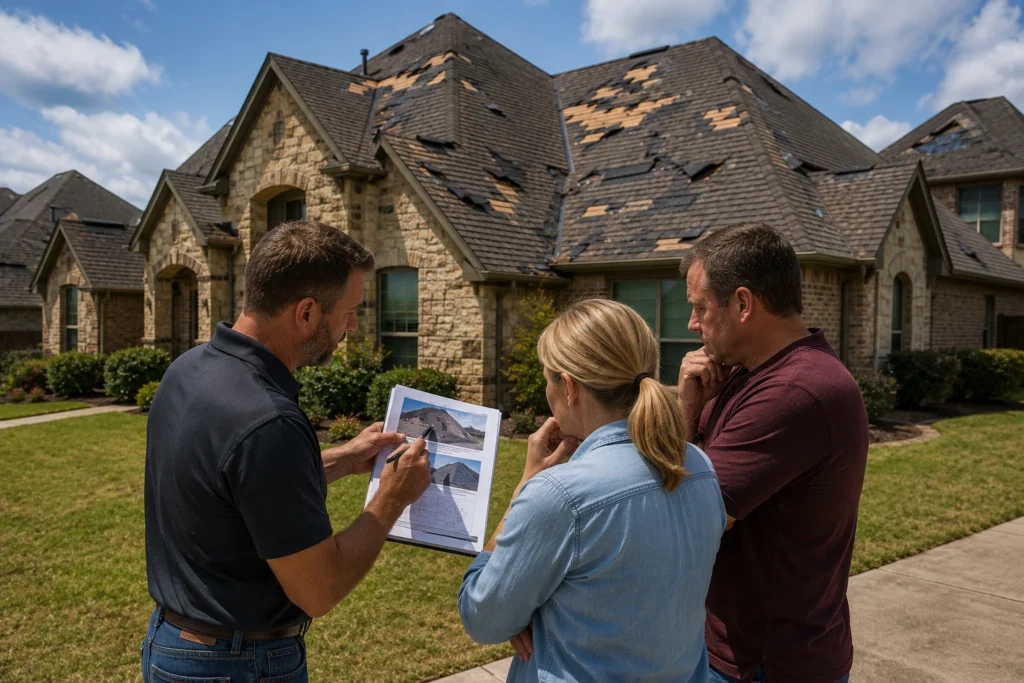
Hailstorms hit hard in Frisco. One storm can leave neighborhoods covered with damaged shingles, dented gutters, broken flashing, and leaking roofs overnight. Then comes the stressful part the insurance claim process. That is where many homeowners start asking an important question: Public Adjuster vs. Insurance Adjuster for Hail Claims in Frisco, TX what is the difference, and which one actually protects my interests?
It is a smart question. Because the answer can affect your roof repairs, your settlement amount, your timeline, and your stress level. Many homeowners assume all adjusters work for them. They do not. Some represent the insurance company. Others represent the policyholder. That distinction matters more than most people realize, especially after severe Texas hailstorms create thousands of claims at once.
And in Frisco, hail claims are rarely simple. Roofing systems today are complex. Insurance policies are detailed. Estimates can overlook important components. One missed line item can mean thousands of dollars out of pocket. So let’s break this down clearly. This guide explains the real differences between insurance adjusters and public adjusters, how each approaches hail claims, when homeowners may need additional representation, and what Frisco residents should understand before signing off on a settlement.
Understanding Hail Damage Claims in Frisco, TX
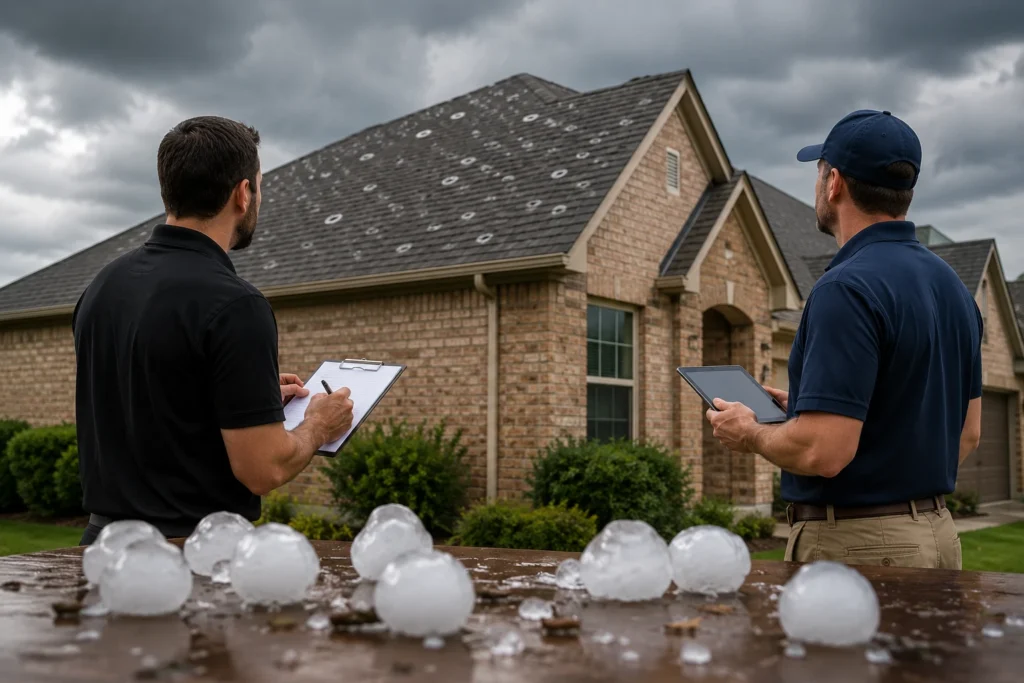
North Texas storms are aggressive. Large hail. High winds. Sudden temperature swings. Intense rainfall. Roofing systems take a beating during storm season, and Frisco homes are exposed repeatedly throughout the year.
The problem? Not all hail damage is obvious from the ground. Some homeowners only notice loose granules in gutters or a small ceiling stain months later. Others see immediate damage but underestimate how extensive the impact really is.
Here are some of the most common hail-related roofing problems:
- Bruised asphalt shingles
- Cracked tile roofing
- Lifted shingles
- Torn flashing
- Dented metal panels
- Compromised vents
- Damaged ridge caps
- Gutter and downspout impacts
- Water intrusion inside attics
Even minor-looking damage can shorten a roof’s lifespan dramatically. That is why insurance claims become so important after major storms. Unfortunately, claims are not always straightforward.
After widespread hail events, insurance companies may process hundreds or thousands of claims rapidly. Adjusters work under pressure. Inspection times shrink. Some damage gets missed. Some claims become disputed. That is where the conversation around Public Adjuster vs. Insurance Adjuster for Hail Claims in Frisco, TX becomes critical.
What Is an Insurance Adjuster?
An insurance adjuster works for the insurance company. Their job is to inspect damage, evaluate coverage, and determine how much the insurer should pay under the policy terms.
Simple enough on the surface. But homeowners need to understand something important: insurance adjusters are not independent advocates for policyholders. They represent the carrier’s interests during the claim process. That does not automatically mean they are dishonest. Many are experienced professionals doing difficult work under heavy workloads. Still, their role matters.
Types of Insurance Adjusters
Staff Adjusters
These are direct employees of insurance companies. They handle claims year-round and follow internal company guidelines during inspections and settlement evaluations.
Independent Adjusters
These adjusters are third-party contractors hired during busy storm seasons. After major Texas hail events, carriers often deploy independent adjusters quickly to manage large claim volumes. Homeowners may see several adjusters assigned to the same claim over time during active storm seasons. That creates challenges. Different adjusters sometimes interpret damage differently. Estimates may change. Documentation can become inconsistent.
How Insurance Adjusters Handle Hail Claims
The process usually looks something like this:
- Homeowner files claim
- Adjuster schedules inspection
- Roof inspection occurs
- Photos and measurements are taken
- Estimate is created
- Settlement amount is issued
Sounds organized. Sometimes it is. Sometimes it is not.
Inspection quality varies significantly depending on:
- Storm volume
- Adjuster experience
- Roof complexity
- Time pressure
- Documentation quality
A rushed inspection can miss important damage components.
For example:
- Soft metal impacts may be ignored
- Flashing damage may not appear in the estimate
- Ventilation components may be excluded
- Underlayment damage may go undocumented
- Detach-and-reset items may be omitted
Those missing items add up quickly. And that is one reason many homeowners begin researching Public Adjuster vs. Insurance Adjuster for Hail Claims in Frisco, TX after receiving an estimate that feels incomplete.
What Is a Public Adjuster?
A public adjuster works for the homeowner. That is the biggest difference. Public adjusters are licensed professionals hired by policyholders to evaluate damage, document losses, interpret coverage, and negotiate settlements directly with insurance companies.
Their goal is straightforward:
Help homeowners pursue a fair claim outcome. Unlike insurance adjusters, public adjusters are not employed by the carrier. They work independently on behalf of the insured property owner. That changes the dynamic significantly.
What Public Adjusters Actually Do
Many homeowners assume public adjusters simply “argue with insurance companies.” Not quite. A strong public adjuster handles multiple technical tasks throughout the claim process.
These often include:
- Independent roof inspections
- Damage documentation
- Photo analysis
- Scope preparation
- Policy review
- Supplemental estimate creation
- Meeting with carrier adjusters
- Negotiating disputed line items
- Tracking claim deadlines
- Reviewing depreciation calculations
The good ones are detail-oriented.
Very detail-oriented.
Because hail claims often come down to documentation quality.
Large hail claims sometimes involve highly detailed inspection methods and layered documentation processes that resemble a form of epistemology, where conclusions depend heavily on evidence quality, observation, and verification.
Why Public Adjusters Become Important After Major Hailstorms
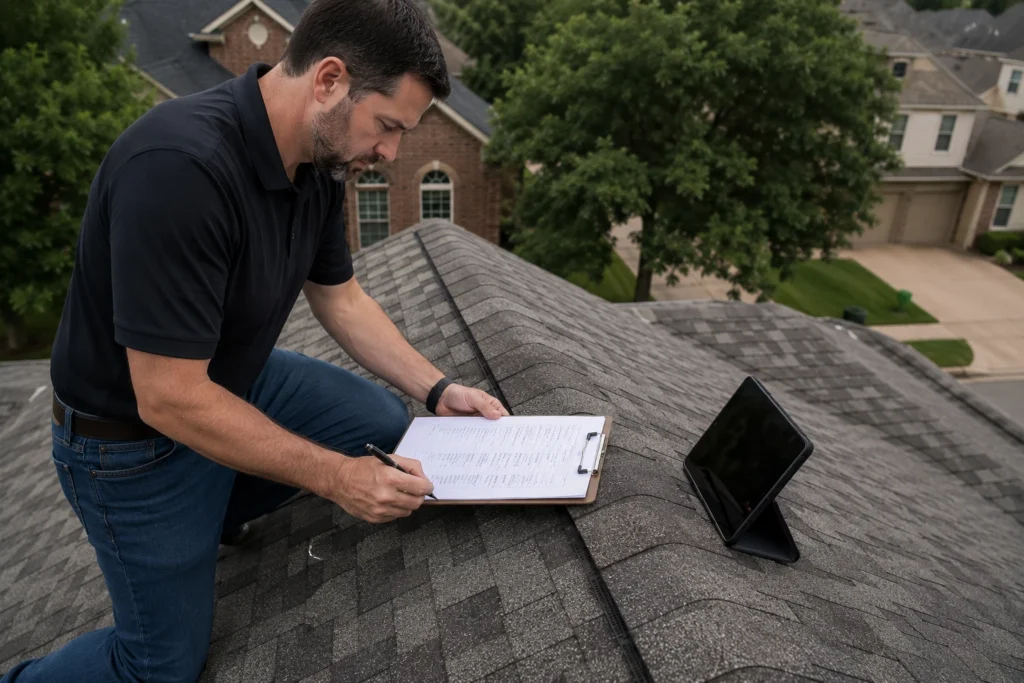
Storm claims can become complicated fast.
Especially in Frisco.
Some roofs involve:
- Multiple slopes
- Steep pitches
- Specialty materials
- Solar components
- Detached structures
- Interior water damage
- Code compliance upgrades
Those variables increase the likelihood of estimate disagreements. A public adjuster may identify items missing from the original insurance scope, including:
| Commonly Missed Items | Why They Matter |
| Drip edge replacement | Required by code in many cases |
| Starter shingles | Necessary for proper roof installation |
| Flashing replacement | Prevents future leaks |
| Ridge ventilation | Affects attic airflow |
| Fence staining | Storm collateral damage |
| Gutter screens | Often overlooked |
| Interior paint damage | Secondary storm impacts |
| Detach-and-reset components | Necessary during roof replacement |
Small omissions compound quickly.
Public Adjuster vs. Insurance Adjuster for Hail Claims in Frisco, TX
This comparison matters because homeowners often misunderstand who represents whom during the process. Here is the simplest breakdown.
| Feature | Public Adjuster | Insurance Adjuster |
| Represents | Homeowner | Insurance company |
| Goal | Maximize fair settlement | Evaluate claim for insurer |
| Inspection Style | Independent and detailed | Carrier-directed |
| Negotiation Role | Advocates for homeowner | Represents insurer position |
| Compensation | Percentage of settlement | Paid by insurer |
| Claim Strategy | Comprehensive documentation | Policy-based evaluation |
| Supplemental Focus | Frequently pursued | Often more limited |
Neither role is automatically “good” or “bad.” But they are very different. And homeowners should understand those differences before relying entirely on one side’s evaluation.
Representation Matters More Than Most People Think
This is where things become practical. Imagine hiring an attorney during a dispute. Would you hire the opposing side’s attorney to protect your interests? Probably not. Yet many homeowners unknowingly assume insurance adjusters function that way during hail claims. They do not. Insurance adjusters evaluate claims according to carrier guidelines and policy terms. Public adjusters advocate specifically for the policyholder’s position.
That distinction affects:
- Scope interpretation
- Documentation depth
- Negotiation strategy
- Supplemental requests
- Settlement discussions
Again, this does not mean every claim becomes adversarial. Some insurance claims proceed smoothly. Others absolutely do not.
Inspection Thoroughness Can Change Claim Outcomes
Roof inspections are not all equal. That matters enormously after hailstorms. An experienced public adjuster may spend significantly more time documenting a roof than an insurance adjuster managing dozens of daily storm claims.
That additional time often uncovers:
- Granule loss patterns
- Soft metal impacts
- Lifted shingles
- Creased tabs
- Flashing separation
- Water entry points
The details matter. Especially because insurance settlements rely heavily on documented evidence. If damage is not documented clearly, it becomes harder to negotiate later.
Why Supplemental Claims Matter After Hailstorms
Many homeowners assume the first insurance estimate is final. It often is not. In reality, Hail Damage Claim Supplements are common in Frisco roofing claims because additional damage is frequently discovered after deeper inspections or during active repair work. These supplements may include overlooked flashing, underlayment damage, ventilation upgrades, steep-charge labor, or code-required improvements that were not included in the original estimate.
This is another reason the topic of Public Adjuster vs. Insurance Adjuster for Hail Claims in Frisco, TX deserves serious attention from homeowners. Because initial settlements sometimes fail to reflect full repair costs.
When an Insurance Adjuster May Be Enough
Not every claim requires a public adjuster. That is important to say clearly. Some claims are relatively simple.
For example:
- Minor cosmetic hail damage
- Straightforward roof repairs
- Limited scope projects
- Cooperative claim handling
- Well-documented losses
In those cases, homeowners may feel comfortable working directly with the insurance company. Especially if the carrier responds quickly and transparently. A reliable roofing contractor can also help homeowners understand whether the insurance estimate appears complete.
When Hiring a Public Adjuster Makes Sense
Certain situations increase the likelihood that professional representation could help.
Denied Claims
Claim denials are frustrating. Especially when visible damage exists. Public adjusters may help reopen discussions by providing stronger documentation and revised scopes.
Underpaid Settlements
Sometimes estimates simply do not reflect real-world repair costs in Frisco. Labor pricing, roofing materials, and code requirements change constantly. Public adjusters often challenge insufficient scopes.
Large or Complex Losses
Complicated roofs create complicated claims. Especially when multiple structures or interior damage are involved.
Busy Homeowners
Claims take time. Lots of it. Phone calls. Inspections. Emails. Documentation. Scheduling. Negotiations. Some homeowners simply do not want to manage the process themselves.
Common Mistakes Frisco Homeowners Make During Hail Claims
Mistakes during the claims process can cost thousands. Here are some of the most common ones.
Accepting the First Estimate Immediately
Initial estimates are not always complete. Homeowners should review line items carefully before approving repairs.
Failing to Document Damage
Take photos immediately after storms. Wide-angle photos help establish overall conditions. Close-ups show impact details. Both matter.
Waiting Too Long
Policies contain deadlines. Damage also worsens over time when repairs are delayed.
Assuming All Roof Damage Is Visible
Some hail impacts weaken shingles without obvious surface destruction. Professional inspections matter.
Choosing the Cheapest Contractor
Low bids often cut corners. Poor repairs create future claim complications and resale problems.
Questions Homeowners Should Ask Before Hiring a Public Adjuster
Not all public adjusters are equal. Ask strong questions before signing contracts.
Are You Licensed in Texas?
Licensing matters. Always verify credentials.
How Much Experience Do You Have With Frisco Hail Claims?
Local experience helps. Texas storm claims differ from many other regions.
How Are Fees Structured?
Most public adjusters work on a contingency percentage. Understand the agreement fully before signing.
Do You Understand Roofing Systems?
Roofing expertise matters enormously during hail claims. Especially with supplements.
How Often Will You Communicate Updates?
Poor communication creates unnecessary stress. Clear timelines and updates matter.
Why Local Experience Matters in Frisco
North Texas storms have unique patterns.
Local adjusters familiar with Frisco often understand:
- Regional hail severity
- Roofing code requirements
- Contractor pricing
- Insurance claim trends
- Common carrier disputes
That knowledge helps during negotiations. Especially when carriers use out-of-area adjusters unfamiliar with local market conditions.
Roofing Costs in Frisco Continue Rising
This creates additional pressure during claim settlements. Material pricing fluctuates. Labor costs increase. Disposal fees rise. Older estimates sometimes fail to reflect current replacement realities. That gap creates tension between repair costs and settlement amounts. Public adjusters often focus heavily on updated pricing documentation during negotiations.
Technology Is Changing Hail Claims
Modern claims increasingly involve advanced inspection tools.
Including:
- Drone imaging
- Moisture mapping
- Digital measurement software
- Satellite roof reports
- Estimating platforms like Xactimate
Technology helps. But it does not replace human inspection quality. Two adjusters using identical software can still produce very different estimates depending on what they document.
Communication Can Make or Break the Claim Process
One overlooked issue during claims? Communication breakdowns. Homeowners often feel overwhelmed because they do not understand:
- Claim timelines
- Policy language
- Estimate terminology
- Depreciation calculations
- Supplemental procedures
Strong communication matters. Whether working with a public adjuster or directly with the carrier, homeowners should demand clarity throughout the process. Ask questions. Lots of them.
Red Flags Homeowners Should Watch For
After major storms, aggressive solicitation increases rapidly.
Be cautious around:
- High-pressure door knockers
- Unrealistic settlement promises
- Contractors offering to “waive deductibles”
- Adjusters unwilling to explain documentation
- Vague contracts
Storm stress makes homeowners vulnerable to bad decisions. Slow down. Review paperwork carefully. Verify licensing.
What Homeowners Should Document After Every Hailstorm
Strong documentation protects claims. Immediately after storms, homeowners should gather:
- Roof photos
- Gutter photos
- Interior leak photos
- Weather reports
- Contractor inspection reports
- Repair invoices
- Claim correspondence
Organized records strengthen negotiations dramatically. Digital backups help too.
Why Homeowners Should Review Insurance Estimates Carefully
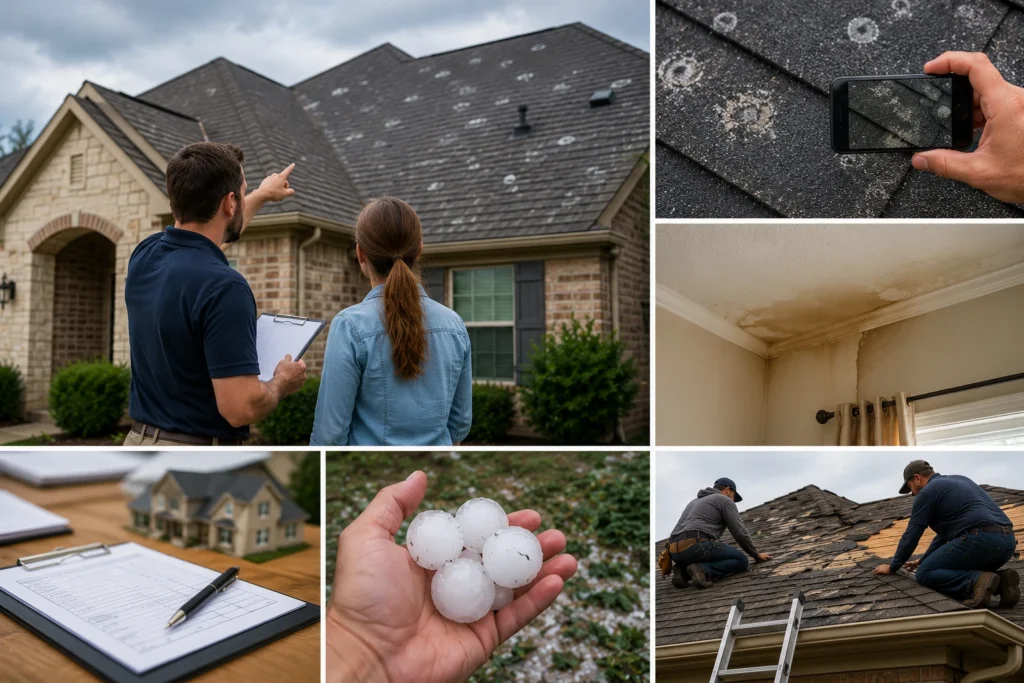
One of the biggest mistakes homeowners make after a hailstorm is focusing only on the final payout number instead of reviewing the estimate line by line. That approach creates problems fast. A settlement may look reasonable at first glance, but hidden omissions inside the scope can leave homeowners paying thousands out of pocket later during repairs.
This happens constantly with hail claims in Frisco. Many homeowners are not roofing experts. They should not be expected to understand every line item automatically. Yet insurance estimates often contain technical terms, abbreviations, measurements, and pricing structures that can easily confuse people unfamiliar with construction estimating.
That is why careful review matters. When comparing Public Adjuster vs. Insurance Adjuster for Hail Claims in Frisco, TX, estimate analysis becomes one of the most important differences between the two roles.
A public adjuster typically reviews estimates aggressively looking for:
- Missing roofing accessories
- Underestimated labor costs
- Incomplete flashing replacement
- Missing ventilation components
- Incorrect waste calculations
- Excluded code-required upgrades
- Improper depreciation application
- Overlooked detach-and-reset items
These are not small details. For example, if flashing replacement is excluded improperly, a contractor may later discover the existing flashing cannot be reused safely during installation. That additional expense becomes the homeowner’s problem unless the estimate gets revised.
The same issue applies to ventilation systems.
Modern roofing projects often require upgraded intake or exhaust ventilation to meet local code requirements or manufacturer installation standards. If those items are omitted from the original claim scope, repair costs rise quickly once construction begins.
Another commonly overlooked issue involves steep-charge labor adjustments. Steep roofs require additional safety measures, slower installation speeds, and specialized labor considerations. Yet some estimates fail to apply proper steep-slope pricing adjustments even when roof conditions clearly justify them. Homeowners should also pay attention to measurement accuracy.
Even small differences in roofing square calculations can affect:
- Material quantities
- Shingle bundles
- Underlayment totals
- Disposal costs
- Labor pricing
- Ridge cap calculations
That is why independent inspections matter so much after hailstorms. Strong public adjusters and experienced roofing contractors often compare their measurements against insurance scopes to identify discrepancies early before repairs begin.
Another major issue involves depreciation. Insurance carriers frequently apply depreciation to roofing materials based on age and condition. Sometimes that process is fair. Sometimes homeowners do not fully understand how recoverable depreciation works or what documentation must be submitted to recover withheld amounts after repairs.
Confusion during this stage delays payments and frustrates homeowners unnecessarily. This is where communication becomes critical. Whether working directly with the carrier or with a public adjuster, homeowners should never hesitate to ask questions like:
- Was every damaged component included?
- Were local code requirements reviewed?
- Is drip edge replacement included?
- Were ventilation upgrades considered?
- Are all flashing systems accounted for?
- Was waste calculated correctly?
- Are detach-and-reset items listed?
- Does pricing reflect current Frisco market conditions?
Those questions matter because roofing systems are interconnected. Missing one component can affect the entire repair process. And once contractors begin work, hidden issues often surface quickly. This is also why supplemental claims are so common during Texas hail repairs. Initial inspections may not reveal every issue immediately. Additional damage sometimes becomes visible only after shingles are removed and decking or underlayment is exposed.
Experienced public adjusters understand how to document those discoveries properly and submit supplements supported by photos, contractor documentation, and updated estimates. Insurance adjusters may approve supplements as legitimate new findings. But homeowners who never identify missing items in the first place often lose the opportunity to pursue additional compensation entirely.
That is a costly mistake. Ultimately, homeowners should remember this: The estimate is not just paperwork. It is the financial blueprint for restoring the property correctly after a hailstorm. And the more carefully that blueprint is reviewed, the better the chances of avoiding expensive surprises during the repair process.
The Emotional Side of Hail Claims
People underestimate this part. Roof damage creates stress.
Especially when:
- Water enters the home
- Insurance delays occur
- Estimates seem confusing
- Repairs become urgent
Some homeowners feel pressured to accept whatever settlement arrives first simply to move forward. That is understandable. But large financial decisions deserve careful review. Especially when roof replacements can cost tens of thousands of dollars.
Final Thoughts
The debate around Public Adjuster vs. Insurance Adjuster for Hail Claims in Frisco, TX is not really about choosing sides. It is about understanding representation. Insurance adjusters work for carriers. Public adjusters work for policyholders. Both play different roles in the claims process. Sometimes insurance claims proceed smoothly without major disputes. Sometimes they do not.
The key for homeowners is staying informed, documenting damage carefully, reviewing estimates thoroughly, and understanding exactly who is advocating for their interests during negotiations. Because once hail damage occurs, the quality of the claim process often determines the quality of the final outcome. And in Frisco, where severe storms are part of life, that knowledge matters more than ever.
FAQs
A public adjuster represents the homeowner, while an insurance adjuster represents the insurance company during the claim process.
It can be helpful for denied, underpaid, or complex claims where additional documentation and negotiation are needed.
Yes. In some situations, a public adjuster can help reopen or supplement a claim if additional damage is discovered.
No. Insurance adjusters work for the insurance carrier and evaluate claims based on company guidelines and policy terms.
Flashing damage, ventilation issues, underlayment problems, and soft metal impacts are often overlooked during fast inspections.
Simple claims may resolve within weeks, while disputed or complex claims can take several months.
Yes. Homeowners can question estimates, request supplements, and provide additional contractor documentation if needed.
Take photos, document visible damage, save weather reports, and schedule a professional roof inspection quickly.
Additional damage is often discovered during repairs or deeper inspections that was not included in the original estimate.
Yes. Older roofs may have depreciation applied, which can impact settlement amounts depending on the policy.