
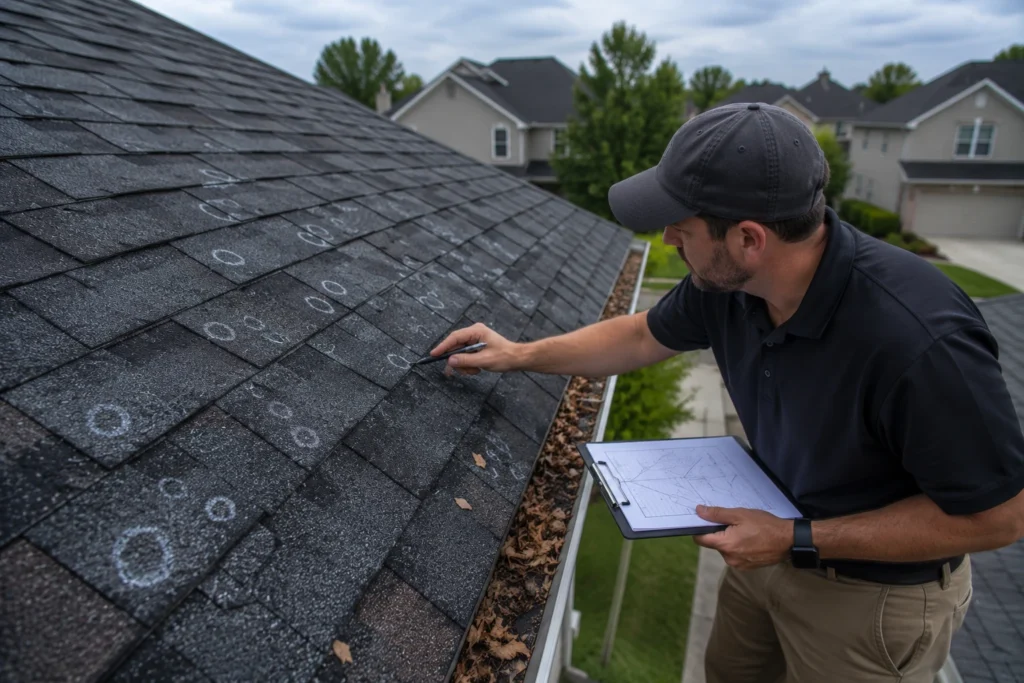
Hailstorms in Texas are brutal. One afternoon your roof looks perfectly fine. A few hours later, you may already have enough damage to justify a full roof hail damage insurance claim Texas homeowners often underestimate. That’s the dangerous part. Many roofs do not immediately leak after a storm. The damage hides quietly beneath bruised shingles, compromised flashing, and weakened underlayment until moisture finally finds its way inside.
I’ve seen homeowners in Frisco ignore what looked like “minor” hail strikes, only to discover months later that their insurance claim became harder to prove. Costs increased. Water damage spread. Documentation disappeared. Insurance carriers questioned timelines. Everything became more complicated.
This guide changes that. We’re going deep into how hail damage actually affects different roofing systems, how to document damage correctly, what insurance companies commonly miss during inspections, how supplements increase claim accuracy, and why working with a public adjuster often changes the financial outcome dramatically. Because protecting your roof starts long before the first settlement offer arrives.
Why Hail Damage Is Such a Serious Roofing Problem in Texas
Texas experiences some of the most aggressive hail activity in the country. Large hailstones combined with high winds create a perfect recipe for roofing destruction. And no, damage is not always obvious. A roof may survive the storm structurally while still suffering shortened lifespan, hidden fractures, displaced granules, compromised waterproofing, and weakened impact zones. That matters tremendously during a hail damage on roof insurance claim because insurance carriers often focus heavily on visible destruction while subtle functional damage gets overlooked. The stakes are high.
A roof protects:
- Structural framing
- Insulation
- Electrical systems
- Drywall
- Flooring
- Personal property
- Indoor air quality
Once moisture penetrates the roofing system, problems multiply quickly.
How to Identify Hail Damage by Roof Type
Different roofing materials react differently to hail impact. This is where true roofing expertise matters.
Asphalt Shingle Roof Hail Damage
Asphalt shingles are the most common roofing material involved in a roof hail damage insurance claim Texas property owners file. They are also one of the easiest systems to misread.
Common asphalt shingle hail damage includes:
- Circular bruising
- Granule loss
- Soft impact spots
- Exposed fiberglass matting
- Cracked shingle tabs
- Edge splitting
- Accelerated aging
The bruising issue is especially important. A shingle may look normal from the ground while internally fractured underneath. Experienced inspectors often test for soft spots manually because hail impacts can break the asphalt mat beneath the surface without creating dramatic visual damage immediately.
Metal Roof Hail Damage
Metal roofing performs better against hail overall, but it is not immune. Common metal roof hail damage includes:
| Damage Type | Why It Matters |
| Dents | May affect drainage and aesthetics |
| Coating damage | Can lead to corrosion |
| Seam separation | Increases leak risk |
| Fastener loosening | Weakens attachment points |
| Flashing deformation | Creates water intrusion pathways |
Insurance disputes often happen here because carriers sometimes classify metal roof dents as “cosmetic.” Homeowners disagree. Contractors disagree. Public adjusters frequently challenge those findings. And honestly? Many cosmetic classifications deserve closer scrutiny.
Tile Roof Hail Damage
Tile roofing can become extremely expensive after hail events.
Damage often includes:
- Fractured tiles
- Hairline cracking
- Edge chipping
- Underlayment exposure
- Broken ridge caps
The challenge with tile roofs is matching. Older tile styles may no longer exist. That creates major issues during hail roof damage insurance negotiations because partial repairs may leave the homeowner with visibly mismatched roofing sections.
Texas homeowners run into this problem constantly.
Immediate Steps to Take After a Hailstorm
Panic helps nobody. Fast action helps everybody. The first 24–72 hours after a hailstorm matter more than most homeowners realize.
Step 1: Stay Off the Roof
Seriously. Don’t climb up there. Wet shingles, loose granules, cracked decking, and unstable surfaces create serious injury risks. Use binoculars from the ground if necessary.
Step 2: Document the Storm Immediately
Start building your claim file immediately after the storm passes.
Take photos of:
- Roof slopes visible from the ground
- Gutters
- Downspouts
- Window screens
- Fence staining
- Air conditioning fins
- Outdoor furniture damage
- Vehicles with dents
Why?
Because collateral damage helps establish storm severity. This becomes valuable evidence during a hail damage on roof insurance claim. One of the most important parts of a successful roof hail damage insurance claim Texas homeowners file is understanding How to Document Hail Damage for an Insurance Claim properly, because weak photos and incomplete records often lead to delayed or underpaid settlements.
Step 3: Record the Date and Storm Details
Write down:
- Date
- Approximate time
- Hail size
- Wind conditions
- Nearby property damage
Save local weather reports too. Storm verification often strengthens claim documentation.
Step 4: Prevent Further Damage
If leaks appear:
- Use buckets indoors
- Protect furniture
- Tarp exposed areas temporarily
- Save emergency repair receipts
Insurance carriers generally expect homeowners to mitigate additional damage when reasonably possible.
Why Roof Damage Often Goes Undetected
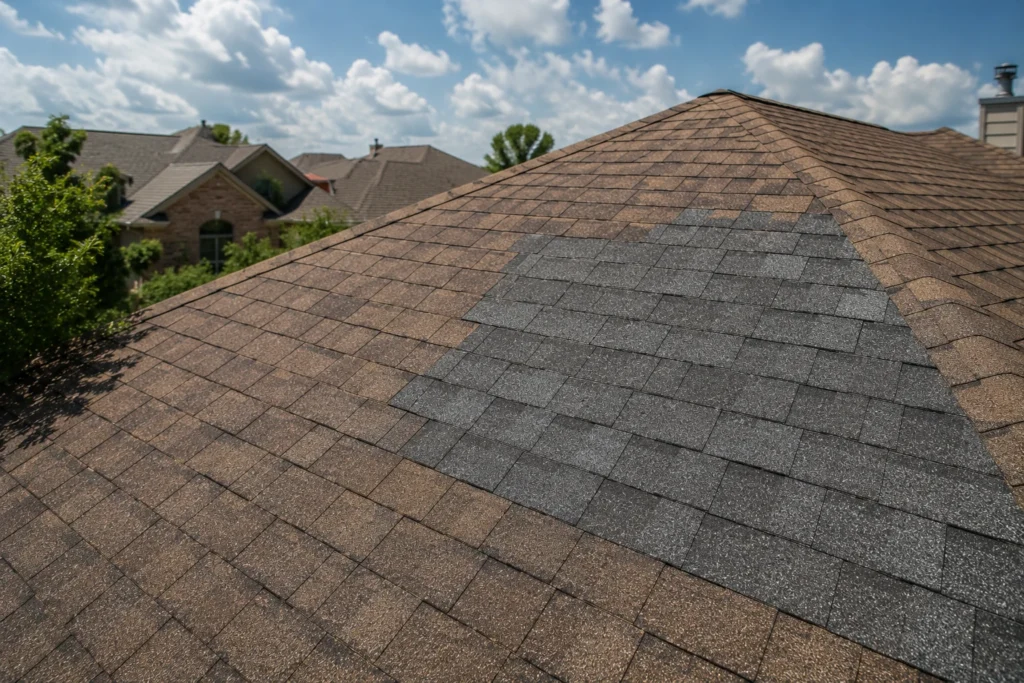
This surprises homeowners every year. Some of the worst hail damage claims start with roofs that “looked fine.” That’s because hail damage is not always dramatic.
A roof may suffer:
- Granule displacement
- Microfractures
- Bruising
- Underlayment compromise
- Seal strip weakening
Weeks later, moisture intrusion begins. Months later, staining appears. By then, proving storm-related damage becomes harder. This is one reason Frisco homeowners benefit from professional inspections immediately after major hailstorms. Documentation timing matters enormously.
Understanding Roof Insurance Coverage
Insurance policies confuse almost everyone. Even smart homeowners. The language gets technical fast. Still, understanding a few core concepts can dramatically improve your roof hail damage insurance claim Texas outcome.
What Insurance Typically Covers
Most homeowner policies may cover:
- Roof replacement
- Roof repair
- Interior water damage
- Detached structures
- Temporary emergency mitigation
But coverage depends heavily on policy wording.
Common Exclusions
Insurance carriers frequently deny or limit payment due to:
- Wear and tear
- Aging roofs
- Maintenance neglect
- Cosmetic-only classifications
- Improper installation
This becomes a battleground during many hail roof damage insurance disputes.
Replacement Cost Value vs Actual Cash Value
Huge difference here.
| Coverage Type | What It Means |
| Replacement Cost Value (RCV) | Pays replacement cost minus deductible |
| Actual Cash Value (ACV) | Depreciates roof value based on age |
Older roofs under ACV policies often produce significantly smaller settlements. Many homeowners discover this too late.
How the Insurance Claim Process Actually Works
Insurance claims follow a basic structure, but execution varies wildly.
Filing the Initial Claim
Once the claim is reported, the carrier assigns:
- Claim number
- Adjuster
- Inspection timeline
Speed matters. Delays may raise questions about storm causation later.
The Insurance Inspection
This is where many problems begin. Insurance adjusters vary enormously in experience. Some are excellent. Others miss critical roofing damage entirely.
Commonly overlooked items include:
- Soft metal impacts
- Flashing damage
- Ventilation components
- Underlayment compromise
- Decking deterioration
- Seal strip separation
This becomes one of the largest weaknesses in many hail damage on roof insurance claim investigations.
Reviewing the Scope of Loss
The scope of loss outlines:
- Materials
- Labor
- Quantities
- Repair methods
- Pricing
Homeowners should review this carefully. Because omissions happen constantly.
What Carriers Commonly Miss in Their Scope
This is one of the most important sections in this guide. Insurance scopes often leave out substantial costs. Not necessarily maliciously. Sometimes due to rushed inspections. Sometimes due to inexperience. Sometimes due to incomplete roof access.
But missed items still cost homeowners money. Experienced roofing professionals understand that Hail Damage Claim Supplements: What Carriers Miss in Their Scope becomes a major issue after tear-off begins and hidden decking, flashing, or ventilation problems finally become visible.
Flashing Components
Insurance scopes frequently overlook:
- Step flashing
- Apron flashing
- Counter flashing
- Valley metal
- Drip edge
Those components matter enormously for waterproofing.
Ventilation Upgrades
Roof replacements may require updated ventilation systems to meet current code or manufacturer requirements. Missed items often include:
- Ridge vents
- Intake ventilation
- Static vents
- Ventilation balancing
Underlayment Requirements
Modern roofing systems often require upgraded underlayment materials. Especially in Texas storm-prone regions.
Starter Materials and Accessories
Small line items add up quickly.
Insurance scopes sometimes omit:
- Starter shingles
- Ice barriers
- Pipe jacks
- Fasteners
- Ridge cap accessories
These omissions become major supplement issues later.
How to Document Roof Damage Properly
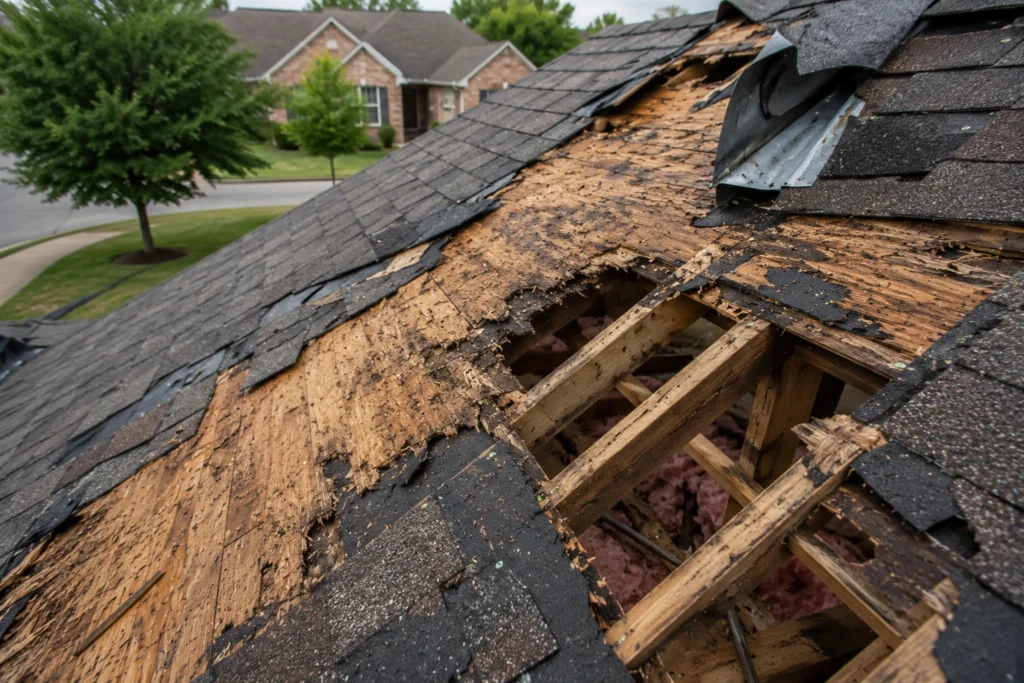
Strong documentation changes claim outcomes. Weak documentation creates arguments. Simple as that.
Build a Complete Claim File
Your file should include:
- Date-stamped photos
- Videos
- Contractor reports
- Weather documentation
- Carrier correspondence
- Repair estimates
- Inspection notes
Organization matters. Messy claims become harder to negotiate.
Take Wide and Close-Up Photos
Use both. Wide shots establish overall conditions. Close-ups show specific impacts.
Document:
- Roof slopes
- Soft metals
- Shingle bruising
- Interior staining
- Exterior elevations
Keep Communication Logs
Track:
- Phone calls
- Emails
- Inspection dates
- Names of representatives
- Promises made during conversations
You would be shocked how valuable organized communication records become during disputed hail roof damage insurance situations.
Why Supplements Matter So Much
Supplements are normal. Actually, they are extremely common during hail claims. And they often determine whether the final roof restoration gets completed correctly.
What Is a Supplement?
A supplement is an additional payment request submitted after hidden or overlooked damage is discovered. This usually happens after tear-off begins.
Common Supplemental Items
| Supplemental Issue | Why It Happens |
| Rotten decking | Hidden beneath shingles |
| Additional flashing | Not visible initially |
| Ventilation upgrades | Code compliance |
| Extra labor | Complex roof geometry |
| Material matching | Discontinued products |
| Structural repairs | Hidden storm deterioration |
Why Supplements Are So Important
Original inspections rarely reveal everything.
Once roofing materials come off, contractors often discover:
- Water intrusion
- Decking rot
- Improper prior repairs
- Fastener failures
- Hidden flashing damage
Without supplements, homeowners may end up underfunded. That creates dangerous shortcuts during reconstruction.
Common Mistakes Homeowners Make
Some mistakes damage claims badly. Avoid these at all costs.
Accepting the First Offer Too Quickly
Initial estimates are not always final estimates. Large claim increases often happen through proper documentation and supplements.
Throwing Away Damaged Materials
Never discard evidence prematurely. Save damaged shingles if possible. Photograph everything first.
Waiting Too Long
Time weakens evidence. Delayed reporting also gives insurance carriers more room to question causation.
Hiring Storm Chasers
After major hailstorms, out-of-town contractors flood Texas neighborhoods. Some are legitimate. Many are not.
Warning signs include:
- High-pressure sales tactics
- Large upfront deposits
- No local references
- No licensing documentation
- Unrealistically low bids
Frisco homeowners should always verify contractor credibility carefully.
Why Public Adjusters Change Claim Outcomes
This is where many homeowners finally level the playing field. A public adjuster works for the policyholder. Not the insurance carrier. That distinction matters.
A lot. The financial outcome often changes dramatically when homeowners understand the difference between Public Adjuster vs. Insurance Adjuster for Hail Claims in Frisco, TX, because one works for the policyholder while the other represents the insurance carrier’s interests.
What a Public Adjuster Actually Does
Public adjusters help:
- Interpret policy language
- Document damage
- Prepare estimates
- Negotiate settlements
- Handle communication
- Challenge underpayments
They manage the claim strategically.
Why This Often Improves Results
Many homeowners simply lack the technical knowledge needed to challenge incomplete insurance scopes.
Public adjusters understand:
- Roofing systems
- Estimating software
- Policy interpretation
- Code requirements
- Supplement procedures
- Negotiation strategy
That expertise often changes financial outcomes significantly during a roof hail damage insurance claim Texas dispute.
Situations Where Public Adjusters Help Most
Public adjusters become especially valuable when:
- Claims are denied
- Settlements feel low
- Roof systems are complex
- Interior damage exists
- Large supplements emerge
- Carriers dispute causation
These situations escalate quickly.
Professional representation helps keep the claim organized and evidence-driven. Many homeowners panic after receiving a rejection letter, but knowing What to Do If Your Hail Claim Was Denied in Frisco, TX can completely change the direction of the case, especially when additional inspections uncover damage the original adjuster overlooked.
How Building Codes Affect Roof Claims
This area gets overlooked constantly. Local codes can dramatically increase claim value.
Code Compliance Requirements
Roof replacements may require:
- Updated ventilation
- Ice barriers
- Drip edge upgrades
- Fastener spacing changes
- Decking attachment improvements
Insurance carriers sometimes miss these items initially.
Manufacturer Specifications Matter Too
Manufacturers often require:
- Specific underlayment systems
- Approved ventilation ratios
- Particular installation methods
Ignoring those standards may void warranties. That matters during a hail damage on roof insurance claim because proper restoration means restoring the roof correctly not simply patching visible damage.
Hidden Damage That Appears Later
Some storm damage reveals itself weeks or months later. That’s why thorough inspections matter so much.
Interior Water Damage
Watch for:
- Ceiling stains
- Bubbling paint
- Musty odors
- Warped flooring
- Damp insulation
Structural Moisture Problems
Unchecked roof leaks may eventually affect:
- Decking
- Rafters
- Insulation
- Drywall
- Mold growth
Minor roof damage can become major structural expense surprisingly fast.
Preventing Future Hail Damage
No roof is invincible. But some systems perform dramatically better.
Consider Impact-Resistant Roofing
Class 4 impact-resistant shingles offer stronger hail resistance. Benefits include:
- Reduced impact damage
- Longer lifespan
- Possible insurance discounts
- Better storm durability
Schedule Annual Roof Inspections
Especially in Texas. Annual inspections help identify:
- Aging components
- Seal failures
- Drainage problems
- Minor storm impacts early
Maintain Gutters and Drainage
Poor drainage accelerates roof deterioration. Keep systems clear. Simple maintenance prevents expensive problems.
How Insurance Adjusters Evaluate Hail Damage Claims
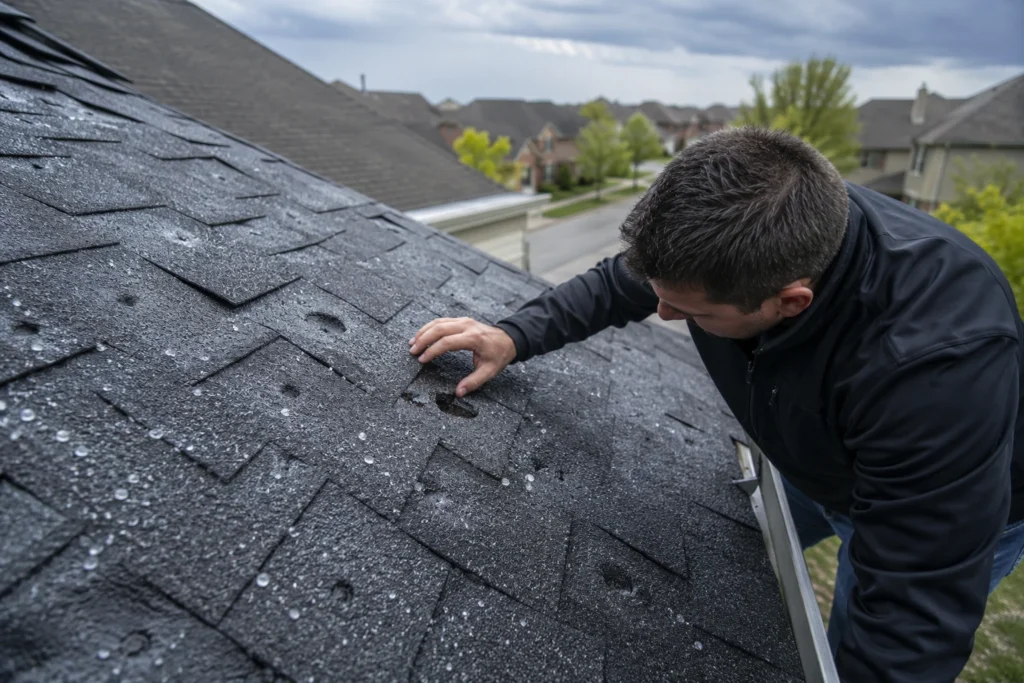
Most homeowners never see what happens behind the scenes during claim evaluation. Insurance adjusters are trained to inspect, photograph, measure, and estimate storm-related damage. They typically use estimating platforms like Xactimate to create repair scopes and pricing reports. Those reports influence the settlement amount significantly. But here’s the reality. Two adjusters can inspect the exact same roof and produce very different conclusions. That happens more often than homeowners realize.
Factors That Influence Claim Evaluations
Insurance adjusters may consider:
- Roof age
- Number of damaged slopes
- Material availability
- Prior repairs
- Storm direction
- Ventilation condition
- Collateral damage evidence
- Manufacturer requirements
The challenge is that limited inspection time sometimes leads to incomplete conclusions. Large storms create massive claim volume across Texas. Adjusters may inspect multiple properties daily during peak catastrophe periods. Rushed inspections increase the chance of missed damage. That is why detailed contractor reports and public adjuster documentation often become critical during a roof hail damage insurance claim Texas negotiation.
Why Matching Laws Matter in Roof Claims
Matching issues create some of the most frustrating disputes for homeowners. Imagine replacing only one section of roofing while the remaining sections visibly differ in color, texture, or material style. The roof suddenly looks patched together.
Homeowners hate that outcome. Some states enforce matching requirements more aggressively than others, but the issue still appears frequently in hail damage on roof insurance claim discussions across Texas.
Common Matching Problems
Matching complications often involve:
- Discontinued shingles
- Weathered roofing colors
- Tile manufacturing changes
- Faded metal finishes
- Older specialty materials
Even if similar products exist, they may not blend properly with the existing roof after years of sun exposure and weathering. This becomes especially important in neighborhoods with HOA requirements or higher-end homes in Frisco where appearance directly affects property value.
The Emotional Side of Roof Insurance Claims
Nobody talks about this enough. Storm claims are stressful. Homeowners are suddenly forced to manage inspections, contractors, paperwork, adjusters, scheduling issues, interior damage concerns, and financial uncertainty all at once. Some families are dealing with active leaks while trying to understand complicated policy language at the same time.
That pressure wears people down quickly. I’ve seen homeowners become so overwhelmed that they accept incomplete settlements simply to end the process. That’s understandable. But it can become expensive later. A properly handled hail roof damage insurance claim requires patience, organization, and persistence. The process is rarely fast. Thorough documentation and strategic negotiation usually produce better outcomes than emotional reactions or rushed decisions.
Why Roof Inspections Should Never Be “Quick”
Fast inspections sound convenient. They are often incomplete.
A serious hail inspection should evaluate:
- Every roof slope
- Soft metal components
- Ridge systems
- Flashing details
- Ventilation components
- Gutters and downspouts
- Skylights
- Interior leak indicators
- Attic conditions when necessary
That takes time. Some roofing systems are complex. Multi-level homes, steep slopes, tile systems, and custom flashing layouts require careful evaluation. A five-minute inspection simply cannot capture everything accurately. And incomplete inspections often create incomplete settlements.
That’s one reason homeowners should always ask detailed questions after inspections. Understanding what was checked and what was not can reveal major gaps before claim problems escalate further. Some inspections even require understanding complex material behavior similar to tribology, especially when analyzing how repeated hail impacts affect roofing surfaces over time.
Why Fast Action Protects Your Claim
Hail claims become harder with time. Evidence fades. Repairs happen. Weather changes conditions. Documentation disappears. Meanwhile, roofing costs may increase dramatically after regional storms due to labor and material demand spikes. Quick action protects both the roof and the financial recovery process. Especially in Frisco where severe weather events can trigger widespread contractor demand almost overnight.
Final Thoughts
A roof hail damage insurance claim Texas homeowners face after major storms is never just about shingles. It’s about protecting the entire structure underneath. The financial stakes are enormous. And unfortunately, many homeowners do not realize how complicated these claims become until problems start appearing in the inspection process. The good news?
Preparation changes everything. Understanding how to identify hail damage by roof type, documenting losses thoroughly, reviewing insurance scopes carefully, managing supplements properly, and involving experienced professionals when necessary can dramatically improve claim accuracy and final settlement outcomes. And perhaps most importantly, never assume a roof is fine simply because it is not leaking today. Hail damage hides well. The smartest homeowners in Frisco act early, document aggressively, and treat every hail roof damage insurance situation like the serious structural issue it truly is.
FAQs
Look for dents, granule loss, cracked shingles, damaged flashing, or leaks after a storm. A professional inspection is usually the safest way to confirm damage.
Most policies cover storm-related roof damage, but coverage depends on exclusions, deductibles, and policy type.
Deadlines vary by policy, but homeowners should report damage as quickly as possible to avoid claim complications.
Yes. Hidden roof damage can weaken waterproofing layers and eventually allow moisture intrusion over time.
Document the damage, prevent additional leaks, save receipts, and schedule a professional roof inspection promptly.
Claims may be denied due to insufficient evidence, delayed reporting, wear and tear exclusions, or disputed storm causation.
A supplement is an additional payment request submitted when hidden or overlooked damage is discovered during repairs.
A public adjuster can help document damage, negotiate with the carrier, and challenge underpaid or denied claims.
Metal roofs are generally more impact-resistant than asphalt shingles, but they can still suffer dents and flashing damage.
Absolutely. Fast inspections sometimes overlook flashing, underlayment, ventilation, or structural issues hidden beneath roofing materials.